Managed Cybersecurity Services

One team accountable for the monitoring, the fixing, and the evidence your auditor asks for.

Managed cybersecurity services are the ongoing monitoring, threat detection, response, and governance a company outsources instead of building an internal security team. Consilien runs all of it as one program for companies with 20 to 1000 users, nationwide. Detection and remediation sit with the same provider under one contract. One escalation path. One party accountable for the outcome.

Why the Finding Sits in the Seam

You have a provider that watches. You have a provider that fixes. The finding lands between them.

Nobody planned it that way. It accumulates. You hire an IT company. Two years later a customer questionnaire or a cyber insurance renewal asks whether you have 24/7 monitoring, so you bolt on a security vendor to answer yes. Now one company sends alerts and the other closes tickets, and an unpatched domain controller sits in the gap between two scopes of work for eleven weeks because neither contract says whose job it is.
The industry has a name for that gap now. MSSP Alert covered providers building services specifically to close what they call the execution gap, where a vulnerability gets found by one party, assigned to another, and fixed by nobody in particular. The Forbes Technology Council ran a piece in May 2026 on the same failure from the communication side. All the labeling confusion between MSP, MSSP, MDR, and MXDR is downstream of it. Detection and enforcement got sold as separate products, and buyers inherited the seam.

Attackers found it first. Mid-size companies aren't softer targets because they're smaller. They're softer because responsibility is split across two contracts, and an attacker only has to find the week where that's true.

Consilien runs monitoring and remediation as a single program under IC24 Managed Security Services, with vCISO governance built into the engagement rather than sold as an upgrade eighteen months later.

At this point the questions from the executive team tend to sound the same.

Who is actually watching this right now?

If something fires at 2 in the morning, who picks up?

And when we find something, who is on the hook for fixing it?

MSP, MSSP, MDR, or One Program

Four categories get sold as four products. Two of them do half a job each.

ModelWho watchesWho fixesWho owns the outcomeRight for
MSPRarely, beyond uptime alertsIT issues, yesYouCompanies that need IT run well and have security genuinely covered elsewhere
MSSP24/7, yesNo. Findings get handed backYouCompanies with internal IT that can act on findings within days, not months
MDR24/7, with authority to containContainment onlySplitCompanies that want fast isolation but keep patching and hardening in house
One managed program24/7, yesThrough to closureThe provider20 to 1000 users, no full-time security staff, a compliance date on the calendar

One thing worth noticing about that table.

Buyers almost never ask about the "who owns the outcome" column. They compare feature lists instead. Then an incident arrives and ownership turns out to be the only column that mattered. Every time.

Which Service Your Situation Calls For

Nobody calls asking for a SIEM. They call with a situation.

Your situationWhat you actually needWhere to start
Nobody watches alerts overnight or on weekends24/7 security operations coverageSOC as a service
Alerts get generated but nothing gets containedDetection paired with response authorityManaged detection and response
An auditor asked for 12 months of retained logsCentralized log management and correlationSIEM services
Laptops are scattered across home offices and plantsEndpoint detection on every deviceEDR services
Someone in AP nearly wired $180K to a spoofed vendorEmail security and phishing defenseEmail security
The firewall was configured in 2019 and never revisitedManaged perimeter and network segmentationManaged firewall and network security
Drawings and CUI move through personal Dropbox accountsData loss prevention controlsDLP services
Former employees still have active loginsIdentity and access governanceIdentity and access management
You want to know you could actually recoverRansomware readiness and recovery planningRansomware protection and recovery
You genuinely do not know where you standA baseline before you buy anythingCybersecurity assessment

If nothing above is obviously you, start with the assessment. Buying monitoring before you know what you're monitoring is how companies end up paying for coverage on systems that shouldn't have been reachable in the first place.

What Gets Watched, and Who Answers at 2 a.m.

Coverage claims are cheap. What matters is who's awake, what they're allowed to do without calling you first, and how fast the fix follows the finding.

Consilien runs security operations from multiple U.S. locations, 24/7/365, staffed by certified security professionals including CISSP holders, while network operations run across U.S. and overseas teams so the infrastructure side gets follow-the-sun coverage too. Detection work and remediation work sit inside the same organization. That's the entire design.

Governance is the other half, and it stopped being a side conversation in December 2025. CISA released Cybersecurity Performance Goals 2.0 on the 11th, realigned to NIST CSF 2.0, and added a Govern function covering leadership accountability, oversight, incident response planning, and service-provider risk. Translated for a CEO, the framework now expects someone at your leadership table to own security decisions. Not just someone in IT to run the tools.

CIMS, the Consilien IT Maturity Standard, is where client environments get mapped, fixing a current state, a target state, and the sequence between them across security, compliance, resilience, and operations. A roadmap with dates on it instead of a tool list.

Credential theft is where a lot of this starts, and leaked credentials are usually visible somewhere before anyone uses them. Monitoring that treats a leaked credential as an incident rather than a data point is the difference between a Tuesday email and a Friday shutdown.

Security operations center monitoring endpoints, email, and network traffic

Six Questions to Ask Any Provider, Including Us

Any provider can say 24/7. Ask what happens between the alert and the fix.

  1. What are your mean time to detect and mean time to respond, and how are they measured? A provider who can't answer has told you something useful.
  2. Who has authority to isolate a machine at 3 a.m. without waking me up first? Get that in writing before signing.
  3. When you find an unpatched server, does the contract cover patching it, or reporting it? This is the seam. Ask directly.
  4. How long are logs retained? Twelve months is a routine auditor request and a routine failure point.
  5. What's excluded? Operational technology, SaaS applications, and personal devices are the three that usually aren't in scope.
  6. What does leaving look like? Notice period, data handover, documentation, and who owns the tenant.

On the first question, Consilien scopes detection and response targets against the environment during the assessment rather than publishing a single number that would somehow apply equally to a 40-user office and a 240-user manufacturer running three plants.

How the Engagement Actually Runs

No mystery about what happens after you call. The sequence below is the real one, with the real time commitments.

1

Discovery session, 20 to 30 minutes

A conversation about the business, not a tool demo. What you are worried about, what triggered the search, what is already in place.

2

Technology assessment, 2 to 4 hours

Hands on the environment. Endpoints, servers, identity, network, backups, and the distance between what you think is running and what is running.

3

Findings and roadmap, 75 minutes plus 60 of questions

What we found, ranked by risk, with a sequence and a budget attached. You keep the document whether or not you hire us.

4

Kickoff and onboarding, 60-minute kickoff

Agents deployed, logging turned on, escalation paths defined, containment authority agreed, and your people told who to call.

5

Managed operations and review

Monitoring, response, patching, and remediation run continuously. Roadmap progress gets reviewed with leadership against CIMS.

What Clients Report

Real engagements, published on Clutch.

2001
Independently owned and operating since
100%
Uptime reported by an Irvine consulting client
3 min
To a ticket number and issue description at Human Touch
14 yrs
Interactive Health, on compliance and managed IT

Consilien has a great depth of knowledge and experience throughout their team.

Joel Poindexter
IT Manager, Hixson Metal Finishing
Metal finishing manufacturer, Newport Beach. Client since January 2010.

Consilien is a quality IT partner that has done a great job keeping our business up and running.

Charles Warren
Financial Analyst, Interactive Health
Consumer products, Long Beach. Compliance consulting, managed IT, and cybersecurity.

The individuals that I contacted were very personable and extremely knowledgeable... they are easy to reach and we have very little downtime.

Catherine Taylor
Product Support Manager, Human Touch
Consumer products, Long Beach. Ticket number in 3 minutes, live rep in 15.

A business consulting firm in Irvine reported 100% uptime across an engagement running since April 2018, in the $50K to $199K range. Consilien carries a 99% customer satisfaction rate referenced in public profiles.

The Companies This Works For

Almost every call follows an event. An auditor asked a question nobody could answer. A customer sent a security questionnaire with a deadline on it. Someone in accounts payable nearly wired $180K to a spoofed vendor. Insurance came up for renewal and the form wanted specifics this time.

Companies that fit look roughly like this.

  • 20 to 1000 users.
  • Manufacturing, distribution, food processing, professional services, or media and creative.
  • Multiple sites, each running slightly different standards, usually because each one got set up by a different person in a different year and nobody has had a free quarter to reconcile them since.
  • A CMMC, NIST 800-171, SOC 2, or PCI DSS requirement with a real date attached to it.
  • An internal IT team that is good and buried.

Skip this if you already employ a full-time CISO and a staffed security team, because at that point you need specific capabilities bought individually rather than a managed program wrapped around people who are already doing the work well. Under 20 users, co-managed support or a one-time assessment costs less and does more. And if you're in healthcare shopping for a HIPAA-led provider, Consilien isn't built for that vertical.

Most companies hit this somewhere between 80 and 150 users. That's the point where the informal arrangement stops working, because the number of systems passed the number of people who understand them.

On price, Consilien isn't the cheapest bid and doesn't try to be. Being wrong about fit costs both sides a year, which is most of what the first call is for.

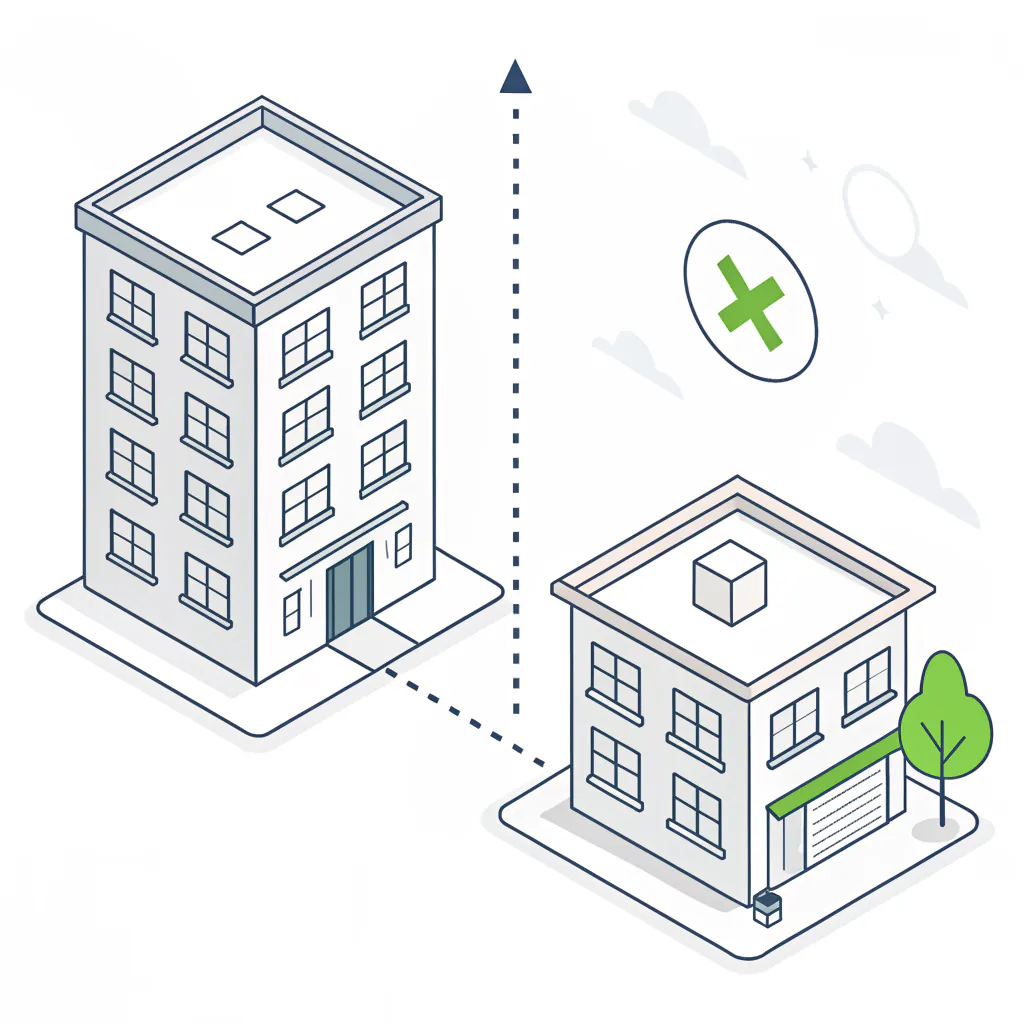
Illustration of two diverging paths representing company fit for managed cybersecurity services

What Managed Cybersecurity Services Include

Managed cybersecurity services are the outsourced monitoring, threat detection, incident response, vulnerability management, identity controls, and security governance a company buys instead of building an internal security team. Delivered as a managed program, they run continuously across endpoints, servers, email, network, cloud, and user access rather than as one-time projects.

Where compliance fits is worth stating plainly, because it gets conflated constantly. Compliance readiness is a separate offering at Consilien. It is not bundled into managed IT and never has been. The two connect, obviously. They still aren't the same purchase. If an audit or a contract requirement is what's driving this, start at compliance readiness, then narrow to CMMC, NIST 800-171, or SOC 2.

One boundary matters more than it sounds. Consilien supports readiness, remediation, and governance. No provider can promise you a certification, and any provider that does is selling something it doesn't control, which is worth remembering the next time a proposal puts the word guaranteed anywhere near the word compliant.

Need security leadership rather than security operations? That's virtual CISO services.

Cost, Contract, and What Stalls the Decision

Four things stall these decisions and three of them are reasonable.

Price first, always. Published market ranges put managed security between $15 and $50 per endpoint per month for monitoring and response. Full security operations coverage runs $2,000 to $10,000+ monthly depending on environment size, and broader programs that bundle IT with security run $50 to $250 per user. Consilien scopes against the assessment instead of a rate card, because a 40-user firm with one office and a 240-user manufacturer running three plants against a CMMC deadline are not the same engagement, and pricing them off the same table would just be a guess wearing a spreadsheet.

Set that against what the alternative costs. IBM's 2026 Cost of a Data Breach Report puts the U.S. average breach at $11.5 million, and found that organizations using security AI and automation extensively saved $1.93 million per breach and cut 65 days off the incident lifecycle.

The contract. Standard agreement runs 3 years with a 1-year opt-out at 60 days notice. Most of this market locks you in for the full term and treats the renewal conversation as the only real pressure point a client ever gets, which is a strange way to run a relationship you claim is a partnership. This one doesn't. It's a deliberate bet on earning the back half rather than invoicing it.

Then there's hiring instead. ISC2's 2025 Cybersecurity Workforce Study found 95% of organizations reporting at least one skills gap, with 59% calling those gaps critical or significant, up from 44% the year before. Nearly 9 in 10 had already absorbed a real security consequence because of it. Building 24/7 internal coverage means three to five people minimum before tooling, and that math rarely closes under 1,000 users.

"We already have IT." Plenty of clients do. Co-managed engagements exist for exactly that arrangement. The internal team usually keeps applications, users, and the business relationships, and Consilien takes security operations, patching, and the compliance evidence nobody has time to assemble.

Fear of switching is fair. Changing providers is disruptive and everyone has heard a horror story from someone. That objection isn't irrational. The 60-day transition window and the documented escalation paths exist because of it.

Still comparing options? Read how this works for cybersecurity services in Los Angeles, or run a security baseline assessment before committing to anything.

Common Questions About Managed Cybersecurity Services

What is the difference between an MSP and an MSSP, and which one do we need?


Different jobs. An MSP manages your IT so it keeps running. An MSSP watches for threats and reports them. Buying only one leaves either the security or the fixing unowned, which is the gap companies tend to find during an audit or an incident, at exactly the moment nobody has any appetite for a conversation about scope boundaries. Consilien runs both functions under one agreement, so the escalation path never crosses a vendor line.

Every month the seam stays open is a month nobody owns the finding

If you would rather have one number to call and one roadmap with dates on it, start with a 30-minute conversation.