Enterprise security teams now field close to 3,000 alerts a day, and 61% of teams admit ignoring ones that later turned out to be critical. (UnderDefense, 2026)
SIEM as a Service
Managed SIEM with a real security team behind it, so the alerts get read at 3 a.m. instead of blinking in an empty office.
SIEM as a service is managed SIEM. A provider collects your logs, correlates them, tunes the detection rules, and staffs a 24/7 team to investigate alerts, so the platform catches threats instead of blinking in an empty room. You get the detection capability without building a million-dollar security operation.
A SIEM Nobody Watches Protects Nothing
Most companies don't buy a SIEM because they want one. They buy it because a cyber-insurance renewal asked for log monitoring, or an auditor pointed at PCI DSS Requirement 10, or a bigger customer put security terms in a contract. So the platform gets purchased. The dashboard lights up. And then the alerts start.
That's where it falls apart. A SIEM doesn't keep you safe. The people reading it do. Buy the platform without anyone to watch it and you've installed 40 security cameras pointed at an empty chair. This page is about the other model, where managed cybersecurity means a team actually watches the SIEM, tunes it, and acts when it fires.
We run security operations for a living, so fair warning, we're not a neutral party here. But the data backs the point independently, and we'll show our sources as we go.
What Managed SIEM Actually Includes
A SIEM platform is one line item. A working detection program is five. When you hand SIEM to Consilien, here's what the engagement covers, and what most sell-you-the-license pitches quietly leave out.
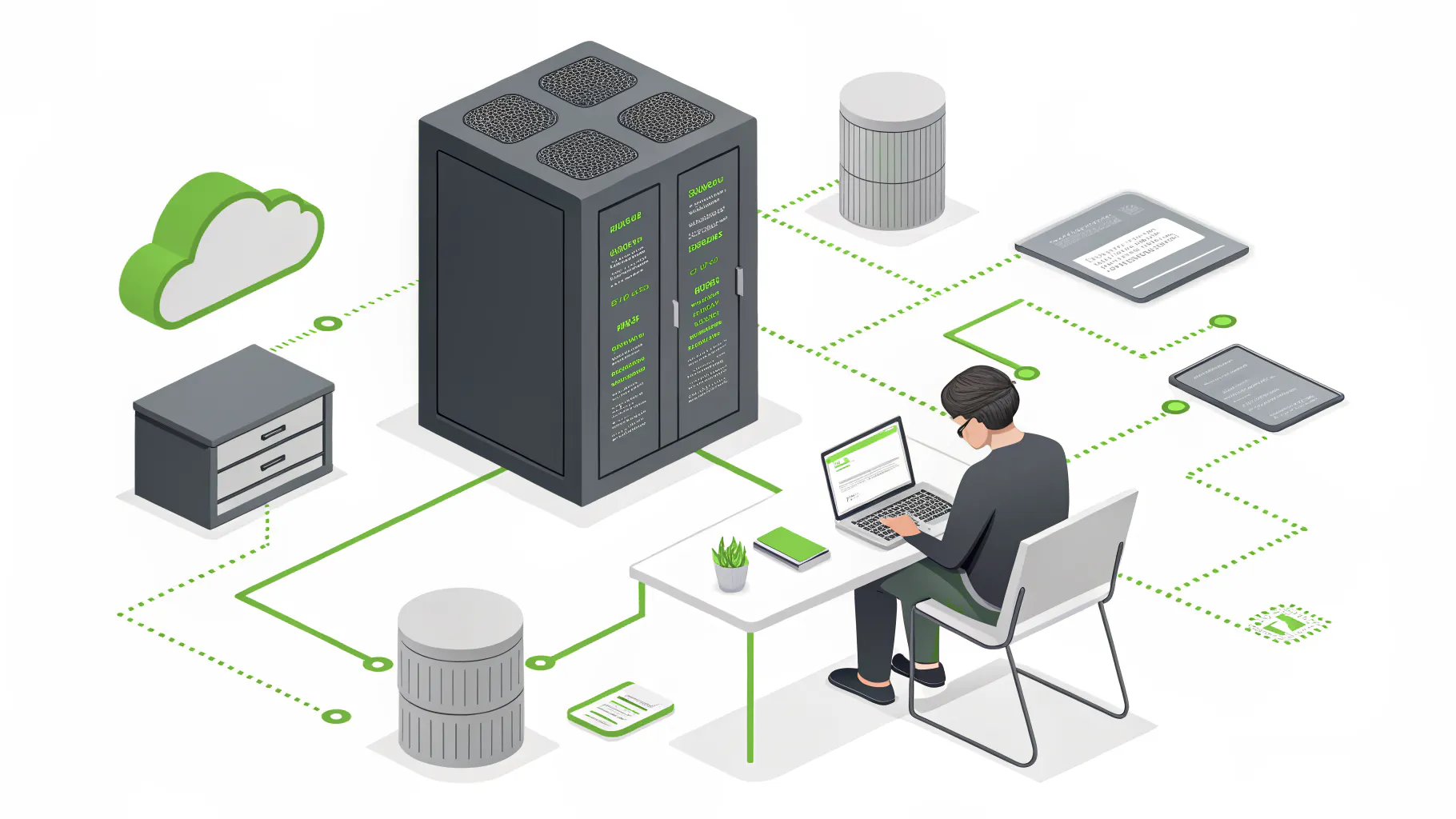
Co-Managed or Fully Managed. The Real Decision.
The question isn't really which SIEM platform. It's who runs it. Three models exist, and picking the wrong one is how security budgets get spent on noise.
If you've already got a security analyst or two, you may just need help covering the hours you can't staff. That's co-managed. If you have no security team and no plan to build one, fully managed is almost always the smarter buy. And if you're a 400-person shop with the budget for a staffed operation, maybe you build it yourself. Most companies under a few hundred people don't, and the math is why.
Building and staffing a 24/7 in-house security operation runs $1.5M to $2.5M a year once you count enough analysts to cover nights and weekends without anyone burning out. Managed SIEM lands most small and mid-sized businesses in the $3,000 to $5,000 a month range, heavier log volumes pushing toward $10,000. Same detection capability. A fraction of the payroll.
That last point matters more than the price. A SIEM you own but don't monitor is the single most expensive mistake we see, and it's not close.
SIEM, SOC, MDR. Sorting the Acronyms.
Quick clarifier, because the alphabet soup is half the confusion. A SIEM is a tool. A SOC is the team running it. MDR is a delivery model where a provider does both for you. If you want the deep version, here's how a SIEM works under the hood and how SIEM stacks up against MDR and MSSP.
What Is SIEM as a Service?
SIEM as a service is a managed offering where a provider owns the operation of your Security Information and Event Management platform, collecting and correlating logs, tuning detection, monitoring alerts 24/7, and handling compliance reporting, so your business gets threat detection and audit-ready logging without hiring a security team.
Who This Is For, and Who It Is Not
Managed SIEM isn't right for everyone, and we'd rather you self-select out now than six months in.
You're a strong fit if you:
- Run a company between 20 and 500 users in manufacturing, distribution, food processing, real estate management, or professional services.
- Face a logging mandate from PCI DSS, CMMC, NIST 800-171, SOC 2, or a cyber-insurance policy.
- Have IT staff who are already stretched and can't realistically watch a security queue at 2 a.m.
- Handle regulated data, cardholder information, or controlled unclassified information.
You're probably not the right fit if you:
- Already run a fully staffed 24/7 security operations center. You don't need us to watch it.
- Are a 5-person shop with no compliance obligation and a simple cloud footprint. A SIEM is likely overkill; start with endpoint protection and MFA.
- Want a platform license and nothing else. We sell the watching, not just the watcher.
Consilien is not healthcare-focused, and we don't do checkbox security. If either is what you're after, we're the wrong call.
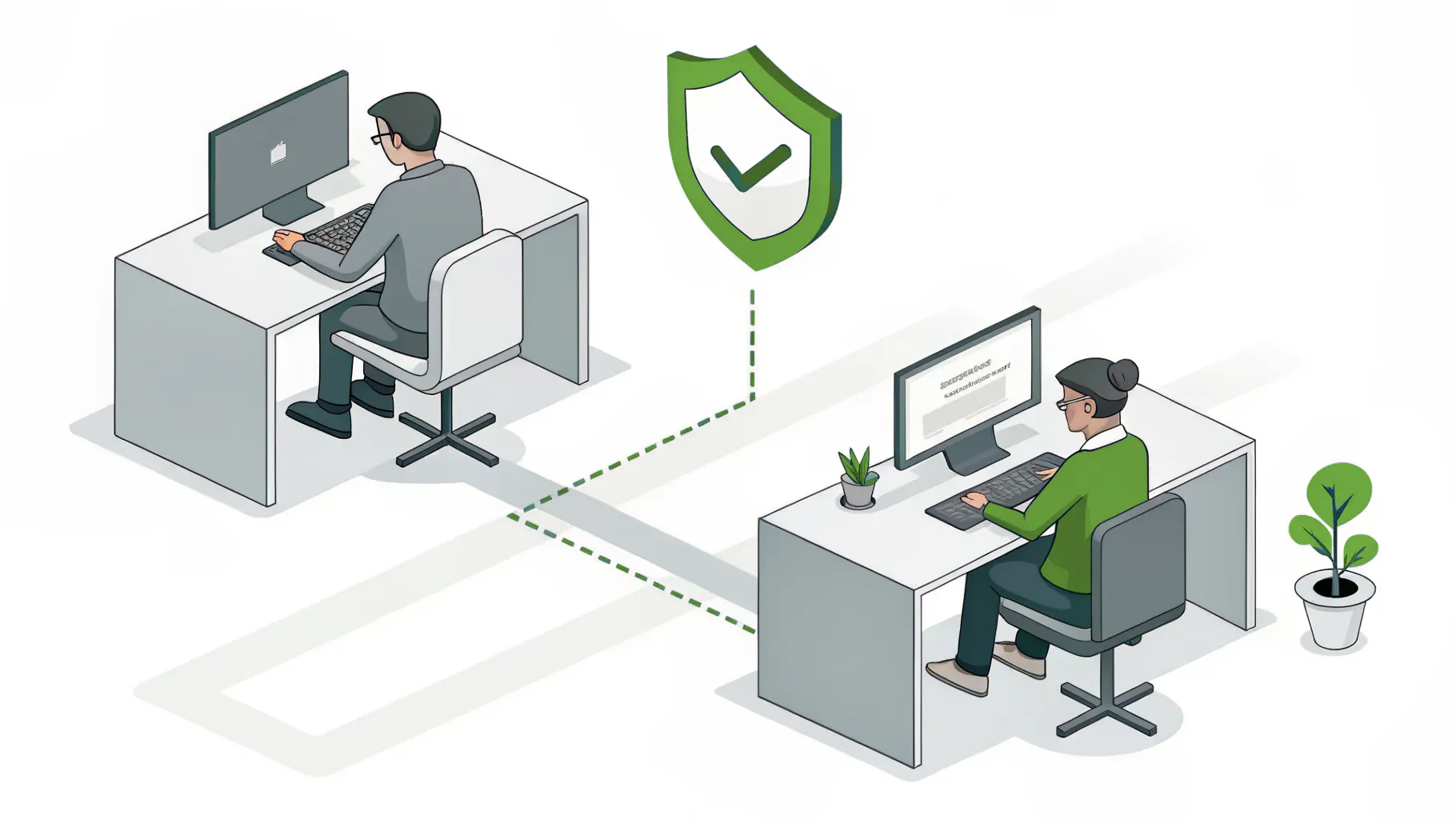
The Questions Keeping You From Deciding
"Isn't it cheaper to just buy the SIEM ourselves?"
Only on the invoice. Licensing is rarely more than 40% of the real cost of running a SIEM. The rest is storage, tuning, integration, and the analysts to operate it. Buy the license alone and you've bought a dashboard nobody watches.
"We already own a SIEM. Now what?"
Good, we can probably run the one you have. Co-managed engagements often keep an existing Splunk, Microsoft Sentinel, or Elastic deployment and add the monitoring and tuning that was missing. You don't always have to start over.
"How do we know you'll actually respond, not just forward alerts?"
Fair question, and it's the whole game. On a fully managed engagement, when a threat is confirmed, we act, isolate the endpoint, lock the account, stop the spread, then tell you what we did. Not notify. Respond.
"How long until it's working?"
Logs flowing in days. Genuinely tuned in months. We're honest about that timeline because the vendors who promise a week are describing installation, not detection.
You Don't Need a Better SIEM. You Need Someone Watching It.
Every unread alert is a window an attacker gets to keep open. The average breach still runs undetected for months, and nobody was watching is the reason more often than any missing tool.
You don't need a better SIEM. You need someone watching it. If you're weighing whether to own a SIEM or hand it to a team that watches it around the clock, start with a real look at your environment.
Common Questions About Managed SIEM
What is the difference between SIEM and SIEM as a service?
One is the tool, the other is the tool plus the team. SIEM is the software that collects and correlates logs. SIEM as a service adds the people who tune it, watch it 24/7, and respond when it fires. Most businesses need the second one.