SOC as a Service (Security Operations Center)

24/7 threat monitoring, detection, and response for growing companies, without hiring, training, and staffing your own security operations center. Security-first SOC built for companies with 20 to 500 users, nationwide.

SOC as a service is a subscription model where an outside team runs your security operations center. They monitor, detect, and respond to cyber threats around the clock. You get 24/7 coverage, trained analysts, and the tooling to back them, without building an in-house SOC from scratch.

Most companies don't decide they need a SOC. They find out.

It's a Saturday. An alert fires at 2 a.m. Nobody sees it until Monday. By then the attacker has been inside for 34 hours, and the cleanup costs more than a year of monitoring would have. That gap between something happening and someone noticing is where the damage lives.
Here is the uncomfortable number. IBM's 2024 Cost of a Data Breach report puts the average breach at 4.88 million dollars, and it takes organizations 258 days on average to identify and contain one. Nine months. That is not a tooling problem. It is a nobody-was-watching problem.

Consilien runs the watch. We are a security-first managed cybersecurity provider, and our SOC as a service gives mid-sized companies the same round-the-clock detection and response an enterprise gets from a 12-person internal team, at a fraction of the cost and none of the hiring. You keep running your business. We watch the alerts, chase down the real threats, and tell you what actually matters.

What a Security Operations Center Actually Watches

A dashboard doesn't stop an attack. A person reading the dashboard does.

That's the part buyers miss when they shop for a SOC. The value isn't the software. Most companies already own decent tools by the time they call us. They've got endpoint detection, a firewall, maybe a SIEM that somebody set up two years ago and hasn't tuned since. The tools work. They're just screaming into an empty room.

A working SOC pulls telemetry from across your environment and turns it into something a human can act on. In practice that means watching a few things constantly.

  • Endpoint and server activity through EDR, so a process that starts encrypting files at midnight gets caught before it finishes.
  • Identity and access signals across Microsoft 365 and Entra ID, because stolen credentials were the top initial attack vector in 2024, and those breaches took the longest to contain.
  • Network and firewall logs feeding a SIEM that correlates events nobody would connect by hand.
  • Cloud and SaaS activity, where a login from a new country at 3 a.m. means something.

One thing we see a lot. Companies buy the EDR, check the compliance box, and assume they're covered. Then an analyst asks who reviews the alerts. Long pause. Nobody does. The tool has been quarantining low-priority junk and burying the one alert that mattered under 400 that didn't. That's alert fatigue, and it's exactly what a SOC exists to solve.

SOC vs. MDR vs. MSSP, What You Are Actually Buying

The naming in this market is a mess. Vendors use SOC, MDR, MSSP, and SOCaaS almost interchangeably, and they don't mean the same thing. Short version. A SOC is the function, the 24/7 team and process watching your environment. MDR is a service tier focused on detection and response, usually tied to a vendor's own tooling. An MSSP manages security devices and may or may not include real threat hunting. We wrote a full breakdown on MDR vs. MSSP vs. SIEM if you want the deep version, but here is the table that matters for a buying decision.

What you are comparing Tools alone MSSP MDR SOC as a Service
24/7 human monitoringNoSometimesYesYes
Active threat huntingNoRarelyYesYes
Responds and contains, not just alertsNoNoYesYes
Tunes to your environment over timeNoLimitedVendor tooling onlyYes, tool-agnostic
Compliance evidence and reportingNoBasicBasicFull audit trail
Feeds SOC 2 / CMMC / NIST readinessNoPartialPartialYes, as a separate offering

The distinction that trips people up. MDR is often locked to one vendor's platform. Our SOC works across the tools you already own, which matters when you've spent two years and real money standing up a stack you don't want to rip out. For a lot of buyers the honest recommendation is managed detection and response inside a broader SOC, not one or the other.

The Real Cost of Building a SOC In-House

This is where the math gets blunt. People assume a SOC means buying a tool. It means hiring a team. To cover 24 hours a day, 7 days a week, 365 days a year, you need enough analysts to run three shifts with coverage for vacation, sick days, and turnover. That is not two people. Industry staffing for round-the-clock coverage runs closer to 5 to 8 analysts, plus a manager, plus the SIEM licensing, plus the EDR, plus the tooling to make any of it manageable.

And you have to find those people. ISC2's 2024 Cybersecurity Workforce Study put the global gap at 4.76 million professionals, with 67% of organizations reporting a shortage on their own team. The talent isn't sitting on job boards. You are competing with banks and defense contractors for it.

Building it yourself SOC as a Service
5 to 8 analysts plus a SOC manager to cover 3 shiftsOne monthly subscription, no hiring
SIEM, EDR, and SOAR licensing, negotiated separatelyTooling included or works with what you own
90 to 180 days to hire, train, and reach steady stateLive coverage in weeks, not quarters
Coverage gaps every time someone quits or takes PTOCoverage that doesn't call in sick
Fixed cost whether or not anything happensPredictable spend that scales with your size

We are a SOC provider, so read that table knowing we benefit when you outsource. But run the numbers yourself. For a company with 20 to 500 users, the fully loaded cost of a real in-house SOC almost never pencils out against a subscription. That is not a sales line. It is why the model exists.

Ransomware makes the case on its own. Verizon's 2024 Data Breach Investigations Report found that roughly a third of all breaches involved ransomware or extortion, and exploitation of vulnerabilities as an entry point jumped 180% year over year. Attackers don't keep business hours. Neither can the people watching for them.

$4.88M

Average total cost of a data breach in 2024, per IBM's Cost of a Data Breach report.

258 days

Average time to identify and contain a breach without dedicated monitoring, per IBM 2024.

4.76M

Global cybersecurity workforce gap in 2024, per the ISC2 Workforce Study.

How Our SOC Works With Your Team

Outsourcing your SOC doesn't mean handing over the keys and hoping. The best setups are a partnership, where your internal IT keeps context and control and our analysts do the 24/7 heavy lifting. Here is how that actually runs.

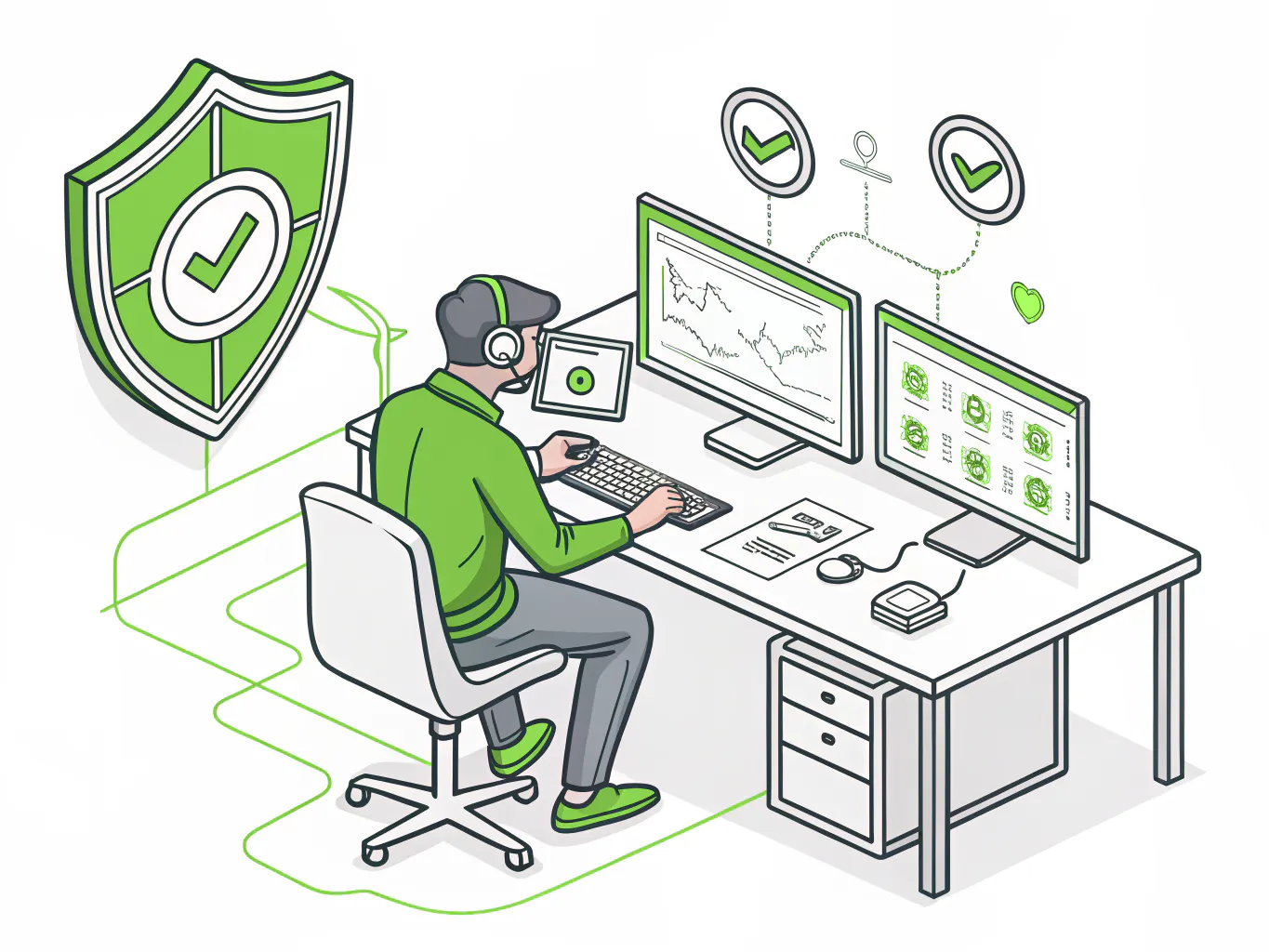
Security analyst monitoring a 24/7 SOC threat dashboard, line illustration

How We Stand Up Your SOC

You should know exactly what happens after you call. No mystery, no six-month runway.

1

Scope and Onboard

We map your environment, your tools, your compliance obligations, and what critical means for your business. This sets escalation rules before anything goes live.

2

Deploy Sensors and Connect Telemetry

We connect your EDR, firewall, identity, and cloud logs into the SIEM, working with the stack you already own wherever we can.

3

Baseline and Tune

For the first stretch we learn what normal looks like on your network, so the alerts you get later are real and the noise gets filtered out.

4

Monitor and Triage, 24/7

Analysts watch around the clock. Every alert gets a human decision, not an auto-close. This is the part you can't buy in a box.

5

Detect, Contain, and Report

When a genuine threat appears, we act on it fast and document it, then give you plain-language reporting you can hand to leadership or an auditor.

Our detection and response process maps to the Detect and Respond functions of the NIST Cybersecurity Framework 2.0, so the work lines up with the standard your auditors already recognize.

Who This Is For, and Who It Is Not

You are a strong fit if you are:

  • A manufacturer, distributor, food processor, real estate management firm, creative agency, or professional-services company with 20 to 500 users.
  • Already running security tools, but with nobody watching them overnight or on weekends.
  • Facing a SOC 2, CMMC, or NIST requirement and needing real detection evidence, not a checkbox.
  • Growing fast enough that a single IT generalist can't also be your night-shift security analyst.

You are probably not the right fit if you:

  • Run a very small office with no sensitive data and no compliance pressure. A SOC is more than you need.
  • Already operate a mature in-house SOC with three shifts staffed. You don't need us. You need to keep hiring.
  • Want a pure software license with no humans attached. That is a tool purchase, and we are not that.

Being honest about the second list matters more than the first. If we are wrong for you, we will say so on the first call.

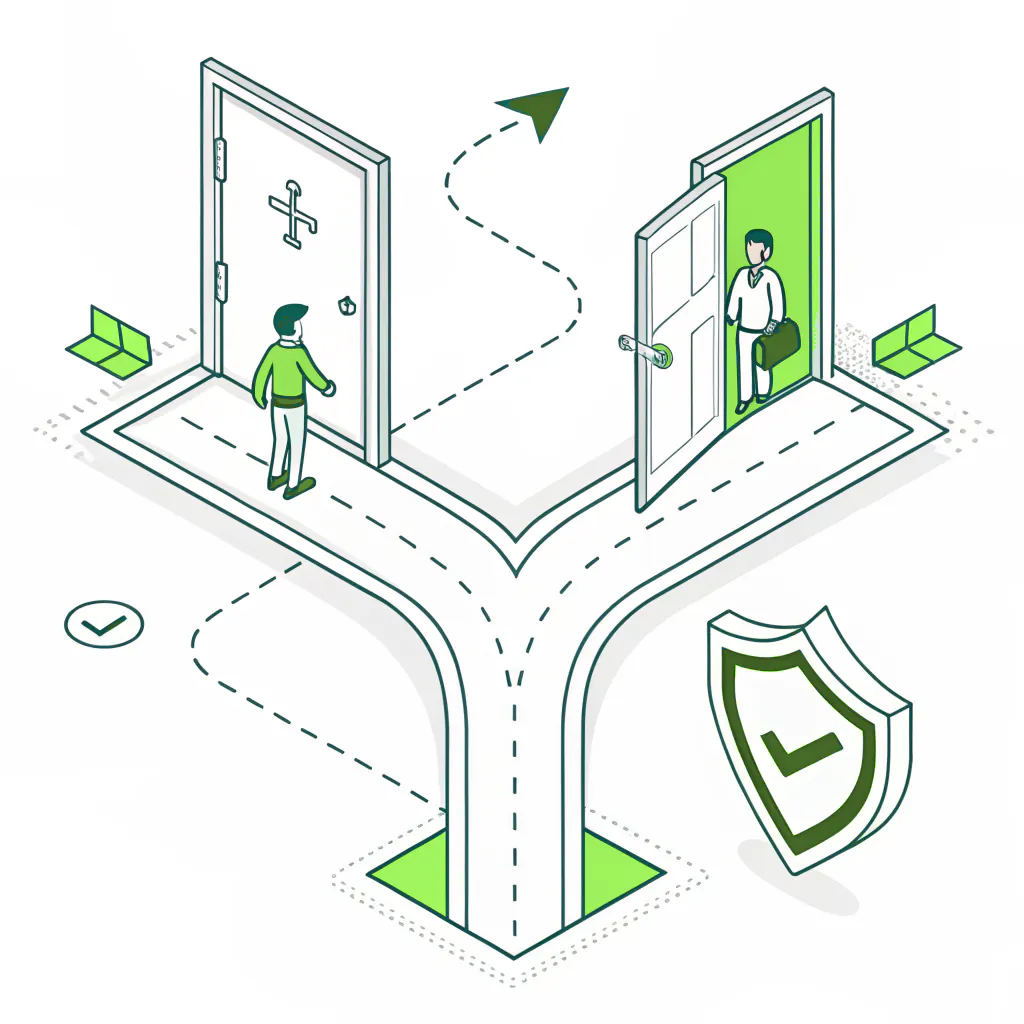
Deciding between an in-house SOC and SOC as a service, decision-path illustration

What Is Actually Keeping You From Deciding

Cost is the first objection, always. The real comparison isn't the subscription against zero. It's the subscription against a 4.88 million dollar average breach and 258 days of undetected access. A SOC is cheap insurance measured against the thing it prevents.

The second objection is control. If I outsource, do I lose visibility? You don't. Co-managed setups are built so your team keeps context and decision rights while ours keeps the 24/7 watch. You see what we see.

Third, we already have EDR, isn't that enough? It's a start. But EDR is a tool, and a tool with no analyst behind it just generates alerts nobody reads. The risk assessment we run early usually finds the same thing, good tools, no coverage.

And speed. Most companies assume outsourcing security takes months. Building an in-house SOC does. Turning ours on takes weeks, because the analysts and the platform already exist. We're plugging you in, not starting from zero.

Why Companies Move Their SOC to Us

Coverage that doesn't sleep

Real analysts watching your environment 24/7/365, including the nights and weekends attackers prefer.

Containment, not just alerts

We don't forward you a notification and wish you luck. We act on the threat and document what we did.

Audit-ready evidence

Every detection logged and reportable, feeding SOC 2, CMMC, and NIST work as a separate offering.

No enterprise bloat

Built for 20 to 500-user companies, priced and scoped for them, not scaled-down Fortune 500 tooling.

What Is a Security Operations Center?

A security operations center, or SOC, is the team, process, and technology a company uses to monitor its systems for cyber threats and respond to them around the clock. It combines trained analysts with tools like SIEM and EDR to detect attacks early, investigate them, and contain them before they spread.

Common Questions About SOC as a Service

What is the difference between a SOC and MDR?


A SOC is the whole function, the 24/7 team, process, and tooling watching your environment. MDR is a service tier inside that function, focused specifically on detection and response, and usually tied to one vendor's platform. You can have MDR without a full SOC, but a real SOC includes MDR-level response plus broader monitoring, threat hunting, and reporting.

Every hour an alert goes unread is an hour an attacker has free

A breach that sits undetected for 258 days doesn't announce itself. It shows up as a ransom note, a wire fraud, or a compliance failure, long after the moment you could have stopped it. The question isn't whether you need someone watching. It's whether that someone is you at 2 a.m. or a SOC that never logs off. Talk to us about what 24/7 coverage would look like for your environment.