Google Cloud Outage: Is Your Business Prepared for the Next Cloud Failure?
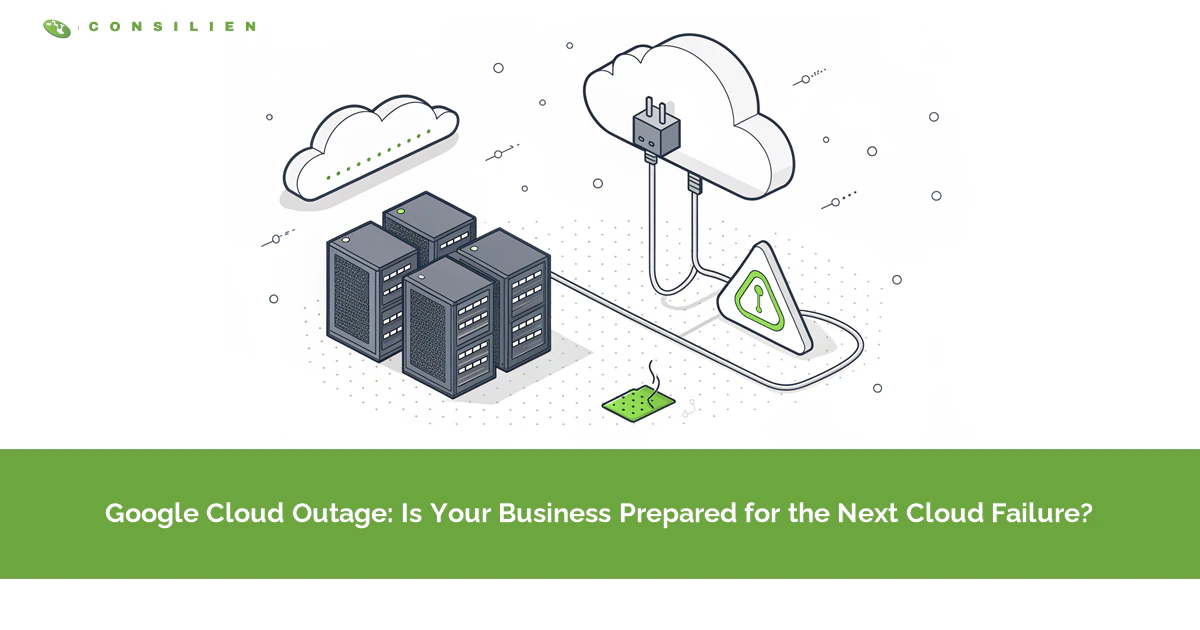
Yesterday, a power event at Google Cloud's London data center cascaded into a full-scale outage. Revolut customers couldn't make payments. Lloyds and HSBC customers were locked out. ATM withdrawals, identity verification, card transactions, and customer chat support all went dark at the same time.
Table of Contents
This wasn't a cyberattack. This wasn't a ransomware incident. It was a power event in a single data center and it brought multiple global financial institutions to their knees.
If your organization runs on a single cloud provider, ask yourself one question: What happens to us when our provider goes down?
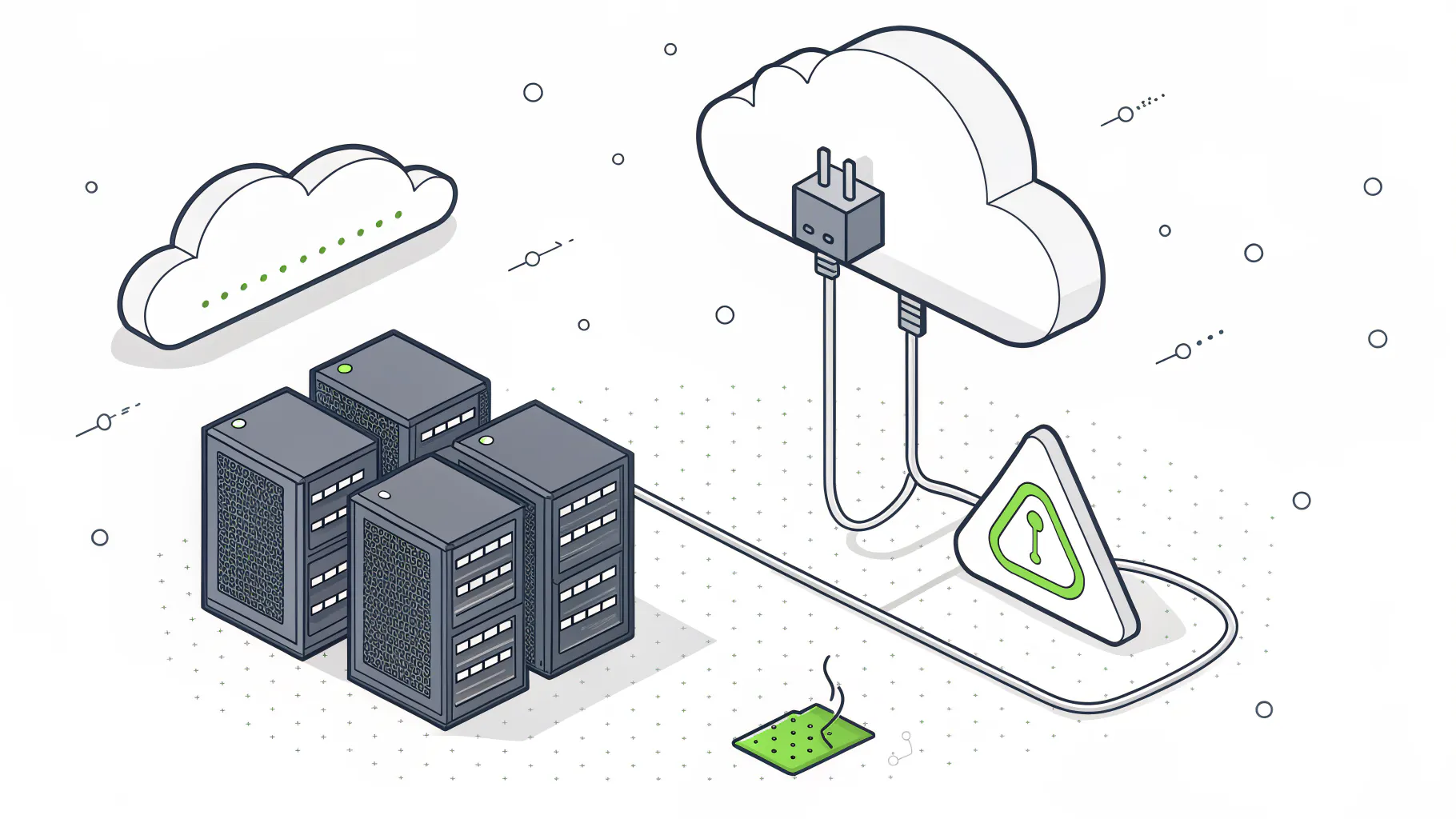
Single-Cloud Dependency Is a Business Risk, Not an IT Problem
Most organizations moved to the cloud for flexibility, scalability, and cost efficiency. Those are real benefits. But somewhere along the way, "cloud" became synonymous with "safe" and that's where the risk accumulates.
A single-cloud architecture ties your operations to one vendor's uptime, infrastructure decisions, and incident-response timelines. When that vendor has a regional failure, you don't have a workaround. You have a war room.
The businesses that stayed operational during yesterday's outage had one thing in common: they weren't betting everything on a single provider.
What a Cloud Resilience Strategy Actually Looks Like
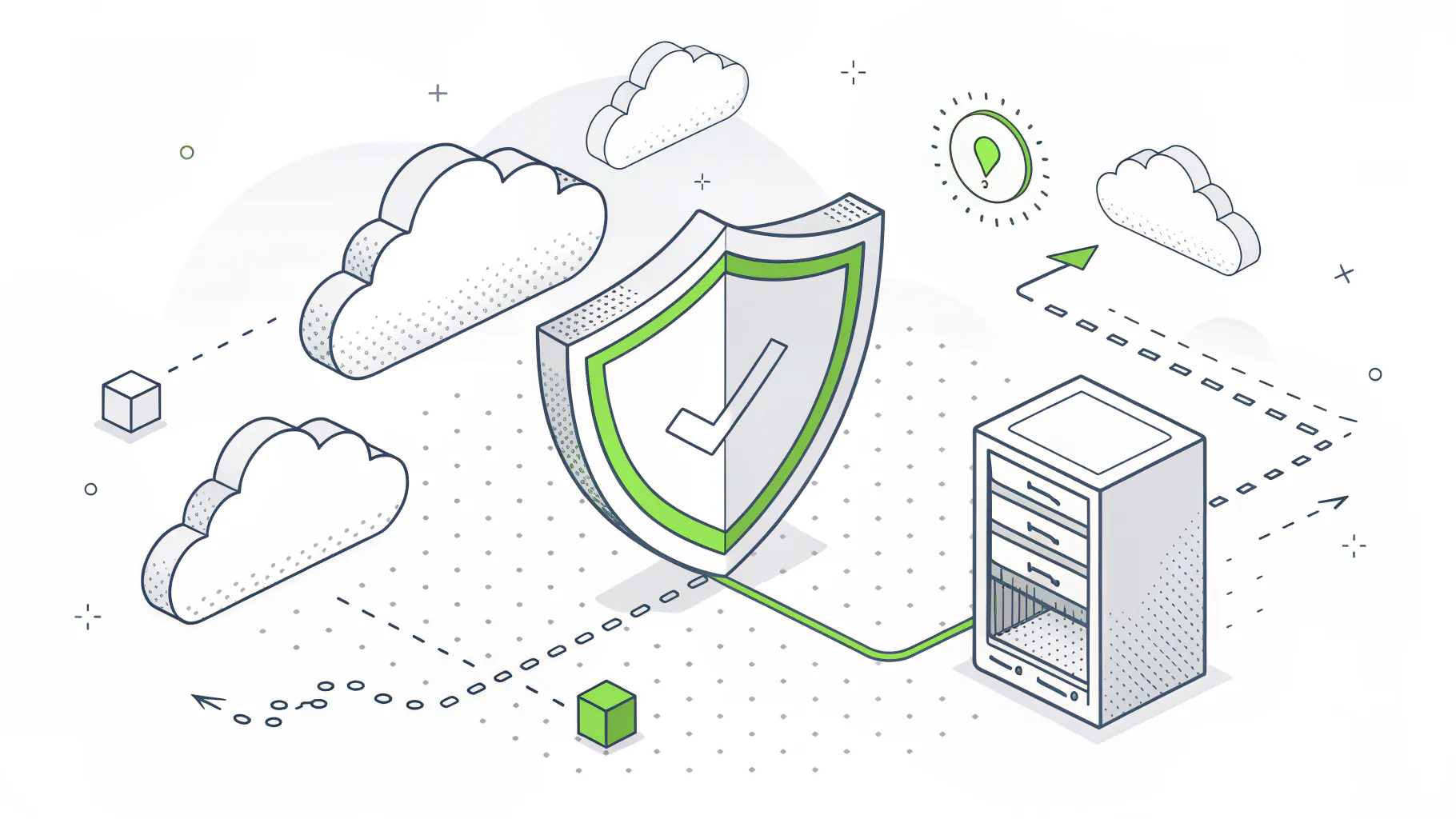
Cloud resilience isn't about abandoning your primary provider. It's about architecting for failure, because failure is when, not if. A mature strategy includes several layers.
Multi-Cloud Architecture
Distributing workloads across two or more cloud environments, Azure and Google Cloud, AWS and a private cloud — ensures that a failure in one region or provider doesn't halt your entire operation. Critical systems stay online. Mission-essential applications keep running. Your team keeps working.
For enterprise and mid-market organizations, this isn't over-engineering. It's table stakes.
Backup and Disaster Recovery (BDR)
Multi-cloud alone doesn't protect you if your data isn't properly backed up and recoverable. A purpose-built BDR program ensures that even in a worst-case scenario, outage, ransomware, hardware failure, you have tested, validated recovery paths ready to execute.
Key components of an enterprise BDR program:
- Automated backups across cloud and on-premise environments
- Defined recovery time objectives (RTO) and recovery point objectives (RPO)
- Regular disaster recovery testing — not just backups sitting on a shelf
- Monitoring and alerting on backup integrity
Private Cloud and Infrastructure as a Service
For organizations with compliance requirements, data sovereignty concerns, or workloads that don't belong in a public cloud, a private cloud environment provides a controlled, secure alternative. It can also serve as a failover environment when your primary public cloud provider goes down.
Private cloud isn't a step backward. For the right workloads, it's the right architecture decision.
The Business Case Your Leadership Team Needs to See
Yesterday's outage is a concrete, real-world example of cloud vendor concentration risk. Boards and executive teams often need to see a headline before they approve the investment. This is that headline.
The question to put in front of your leadership team isn't "can we afford a multi-cloud strategy?" It's "what does four hours of downtime cost us — in revenue, in customer trust, in operational disruption?"
For most mid-market organizations, the math is straightforward. A resilient cloud architecture almost always costs less than a single significant outage.
What to Do If You Don't Have a Cloud Resilience Plan
Start with an honest assessment of where you are today:
- How many of your critical workloads run on a single cloud provider?
- When did you last test your disaster recovery plan?
- Do you have documented RTOs and RPOs — and do your current backups actually meet them?
- Are your backups stored in the same environment as your primary systems?
If you can't answer those questions with confidence, that's your starting point.
A cloud resilience review doesn't have to be a months-long project. A structured assessment can surface your highest-risk gaps in weeks and produce a prioritized roadmap for closing them before your provider's next incident.
Consilien's Approach to Cloud Resilience
We design multi-cloud and hybrid cloud architectures that keep enterprise and mid-market organizations operational when single-provider outages occur. That includes:
- Multi-cloud architecture design and management
- Managed BDR with proactive monitoring, validation, and tested recovery
- Private cloud and Infrastructure as a Service for workloads that require it
- vCIO-led cloud strategy aligned to your business continuity requirements
We've been doing this since 2001. MSP 501-recognized in 2025 and 2026. Highly rated on Clutch.
If you want to know where your cloud resilience gaps are, we can tell you — fast.
Schedule a Discovery Session → consilien.com/contact