Network Segmentation, Explained with Examples
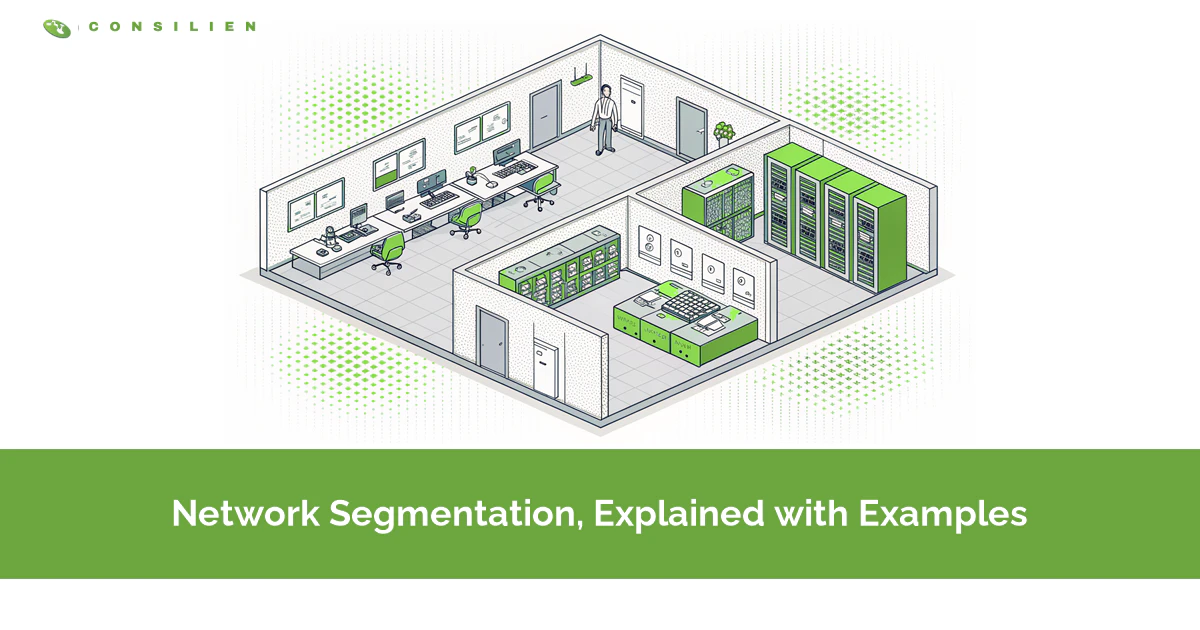
Network segmentation splits one flat network into isolated zones, so a breach in one zone can't spread to the rest. Think guest wifi separated from your servers. It limits lateral movement, the way most attacks actually turn into disasters.
Table of Contents
Here's the part most people miss. Segmentation isn't a product you buy. It's how you contain a breach you couldn't prevent, and for a company somewhere between 20 and 500 users it's quietly one of the highest-return moves in all of managed cybersecurity. Your firewall guards the front door. Segmentation decides what happens after someone's already inside.
And someone always gets inside eventually. A stolen password. A phished employee. One unpatched camera. The question isn't whether an attacker gets a foothold. It's how far that foothold reaches.
On a flat network, the answer is ugly. One compromised laptop can often see most of the environment in a single hop, which means the printers, the file servers, the accounting box, and the machine sitting on the CEO's desk are all breathing the same open air with whatever just walked in. That's not a hypothetical. It's how a bad Tuesday turns into a six-figure incident. This post walks through what segmentation is, four examples you'll recognize from your own office, and how it actually gets built.
So what is network segmentation, really?
Network segmentation is the practice of dividing one network into smaller, isolated zones and controlling the traffic allowed between them. Each zone acts like its own small network. Devices in one zone can only reach another zone if a rule explicitly permits it.
The enforcement happens at devices you already own. Firewalls, switches, and routers sit between the zones and decide what traffic passes, based on rules you set (Cisco). A common building block is a VLAN, a virtual LAN that groups a set of devices into their own logical network even when those devices happen to be plugged into the same physical switch sitting in the same wiring closet.
Picture your office as a building. A flat network is one giant open floor. Everyone and everything shares the same air. Segmentation adds interior walls and locked doors. The receptionist's desk can't wander into the server room. The vending machine sensor can't stroll into finance.
Why does this matter so much? Because the perimeter and the interior do two completely different jobs. Your firewall stops intrusion from the outside. Segmentation contains whatever slips past it. Most companies pour money into the first job and spend almost nothing on the second, then act genuinely surprised when one stolen password turns a single quiet foothold into a company-wide breach that lands them in a customer notification letter.
Why a flat network is a business risk, not just an IT one
A flat network lets an attacker move sideways with almost no friction, so one small compromise becomes total. Lateral movement, the sideways spread after the first foothold, drives most serious breaches. Segmentation is the single control that slows it down.
The data is blunt. Lateral movement now factors into roughly 70% of successful breaches, and security teams consistently rank segmentation as the most effective control against it (Elisity, 2025). Speed is the other problem. In 2025, the fastest observed attacker breakout time was measured in seconds, and AI-assisted ransomware strains have gone from first access to full network encryption in under 20 minutes during real incidents.
Read that again. Under 20 minutes. That's not enough time for a human to notice, escalate, and respond. If your network is flat, the malware doesn't need you to be slow. It just needs one door.
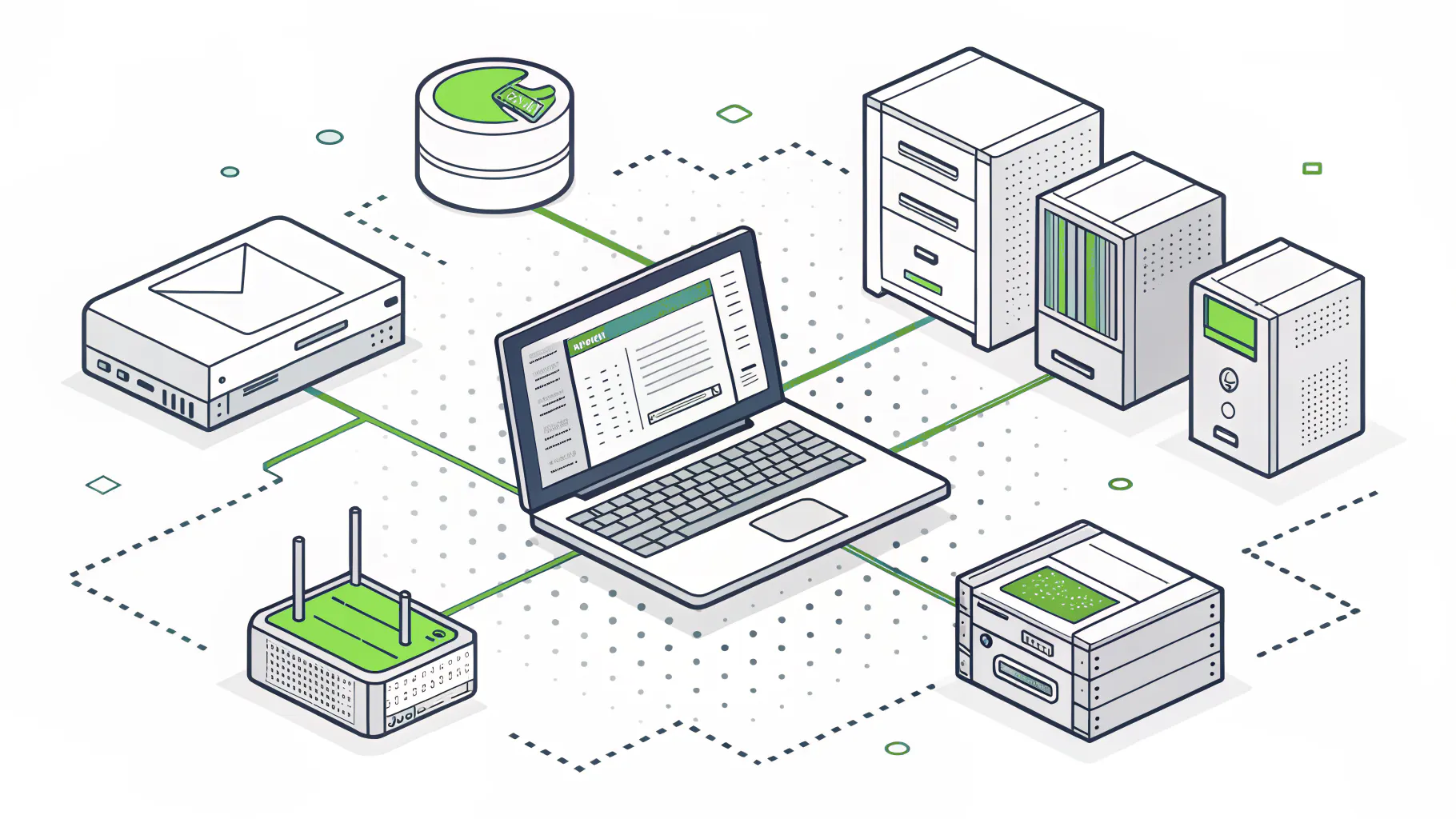
The Target breach is still the cleanest example of the flat-network problem, more than a decade later. Attackers didn't smash through the front door. They stole credentials from a heating and air-conditioning vendor, Fazio Mechanical Services, that had legitimate access for billing and project work (CNN, 2014). From that single HVAC foothold, they moved laterally across a flat internal network until they reached the point-of-sale systems at the registers, then walked out with 40 million payment cards plus contact data for 60 million more people (Huntress).
An air-conditioning contractor should never be one hop from the cash registers. That's the whole lesson. The vendor account wasn't the failure. The open path from that account to everything else was.
Now shrink that down to your size. You're not a national retailer, but the shape is identical. In the assessments we run, a flat network is almost always the first red flag, a handheld warehouse scanner sitting on the very same network as the QuickBooks server, the domain controller, and every workstation in the building. One weak device, one afternoon, and the whole operation is reachable. Usually nothing has happened yet. That's the point. You want to find the open room before someone else walks into it.
Network segmentation, explained with 4 real examples
The easiest way to understand segmentation is to see the zones a normal company should have. Guest traffic, smart devices, sensitive data environments, and operational systems each belong in their own zone. Here's what that looks like in practice.
1. Guest wifi, walled off from the business. This is the one almost everyone gets right, and it's the perfect starter example. Visitors, and the sketchy phones in their pockets, get internet and nothing else. They can't see your file server. They can't print to the finance printer. Same physical office, completely separate lane. If you already run a guest network, you've already done segmentation. You just didn't call it that.
2. IoT devices, kept away from anything that matters. Cameras, badge readers, smart thermostats, conference-room displays. These things are cheap, always online, and frequently impossible to patch (Arctic Wolf). A security camera running firmware from 2019 has no business being able to reach your accounting system. So you put every one of these devices into their own zone that's allowed to reach the internet and its own management server and nothing else at all, so that when one of them gets popped, and eventually one will, the blast radius is a single hallway instead of the whole building.
3. The sensitive data environment, carved out on purpose. If you take credit cards, the systems that touch cardholder data belong in their own tightly controlled zone. Same idea if you handle controlled unclassified information for a defense contract. Isolating that environment shrinks what auditors even have to look at, which we'll get to. The systems that store the crown jewels should be the hardest room in the building to reach.
4. Operational technology, split from office IT. This one is huge for manufacturers and gets ignored constantly. Your production line, the PLCs and control systems running the floor, should not share a network with email and web browsing. A phished invoice in accounts payable should never be able to touch a machine that's stamping metal. Separating the production floor from office IT keeps a routine office infection, the kind that starts with one person clicking one bad attachment, from turning into a line-down event that bleeds real money for every hour the machines sit idle.
Four zones. Four different reasons. The pattern underneath all of them is the same. Group things by trust and by job, then only allow the connections that genuinely need to exist.
VLAN vs segmentation vs microsegmentation, does the difference matter?
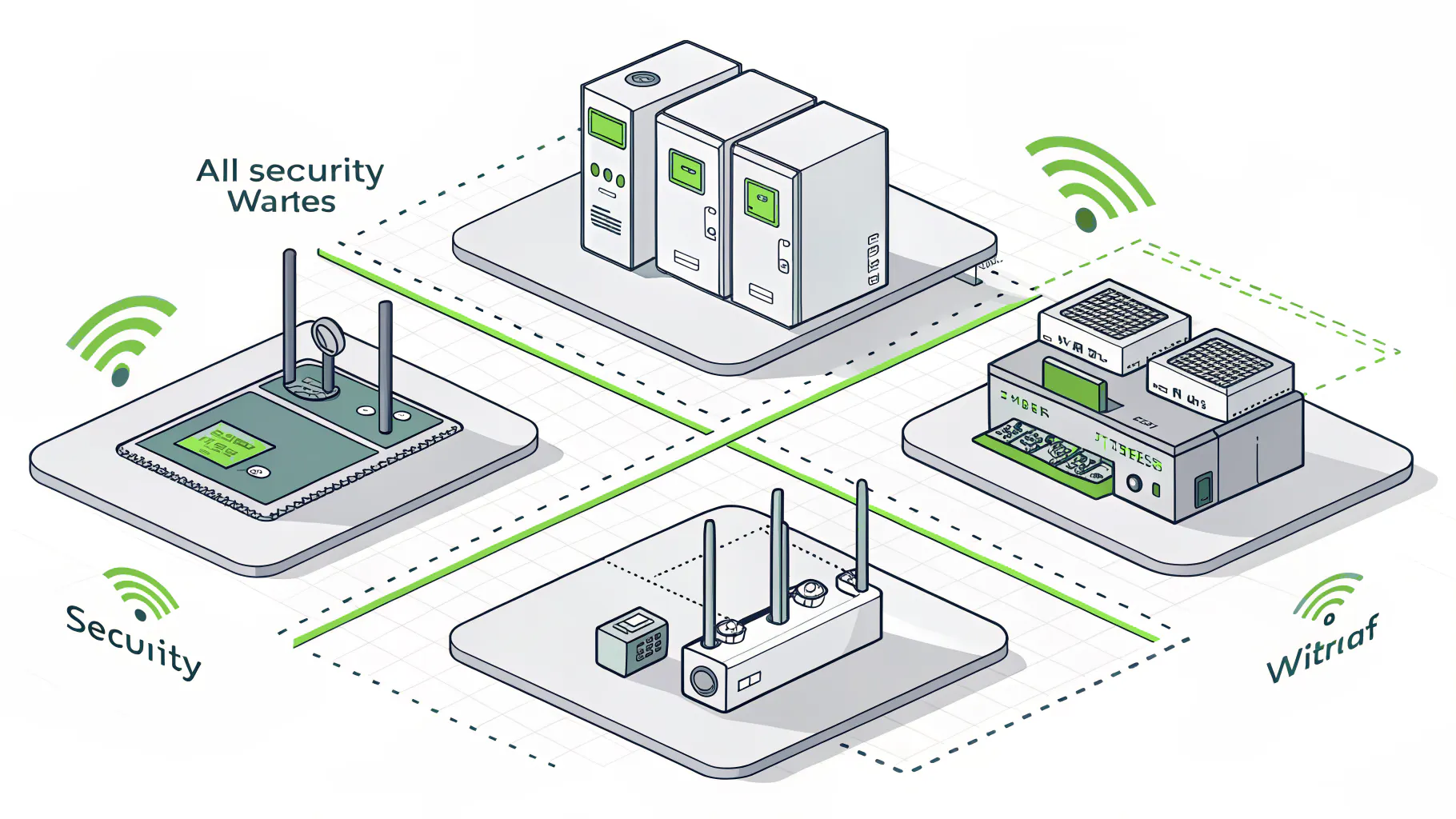
A VLAN is a tool. Segmentation is the strategy. Microsegmentation is segmentation taken down to the individual workload. You don't have to master the jargon, but the distinction changes what you're actually protected against.
Here's the short version. Network segmentation creates broad zones and controls the traffic moving between them, the north-south traffic. Microsegmentation goes further, setting rules between individual devices and applications inside a zone, the east-west traffic that broad segmentation can't even see (TechTarget). A VLAN is one of the mechanisms you use to build either.
Why care? Because a plain VLAN can restrict traffic between zones but often does nothing to stop two servers inside the same VLAN from talking freely, and east-west movement inside a zone is exactly where modern attackers do their real work once they're in. Federal guidance now points to microsegmentation as the control that limits that internal spread and shrinks the blast radius (CISA, 2025).
The quick way to keep them straight, from broadest to tightest.
- VLAN. Groups devices into logical networks on shared hardware. It's the building block, fine for entry-level splits like guest and IoT, but on its own it won't stop two servers in the same VLAN from talking.
- Network segmentation. Controls traffic between broad zones, the north-south direction. For most 20 to 500-user companies, this is the right place to start.
- Microsegmentation. Controls traffic between individual workloads, the east-west direction. Save it for high-value environments, regulated data, and a mature zero-trust build.
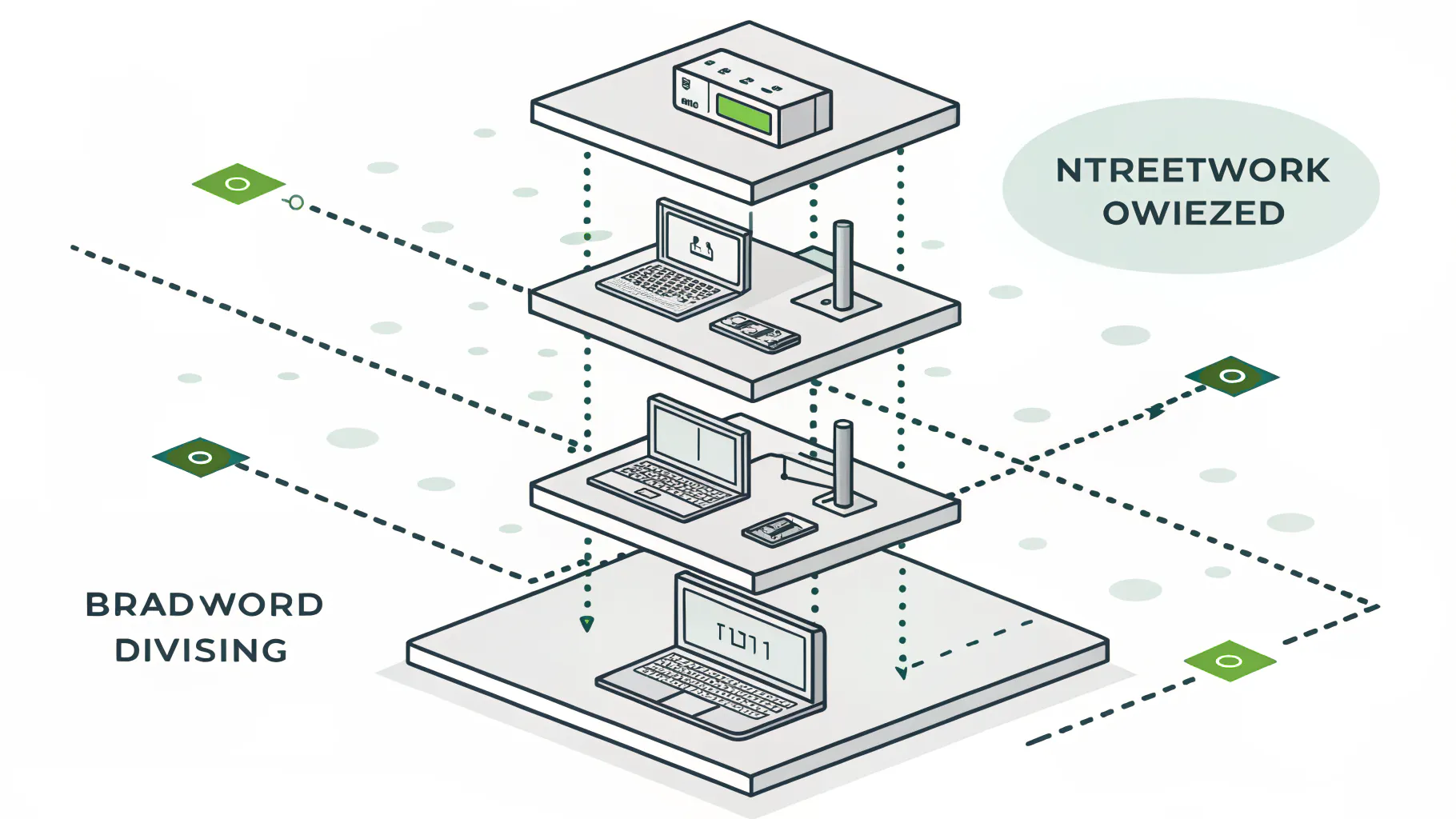
For most growing companies, solid zone-level segmentation is the right first move, and it's a big one. Microsegmentation is where you go when you've genuinely outgrown the basics, or when a regulated environment like a cardholder data zone flatly demands that level of granular, machine-by-machine east-west control. Don't let a vendor sell you the advanced version before the fundamentals are in place. That's backward. And expensive.
How network segmentation actually gets built
Segmentation follows a repeatable path. Inventory what you have, map how it talks, block everything by default, enforce the zones, then keep watching. Skip the mapping step and the whole thing falls apart.
The mechanics aren't mysterious. The discipline is. Here's the sequence a good IT team follows (UpGuard, 2026).
- Inventory and classify every asset. You can't protect what you can't see. List every device, server, and application, then rank each one by sensitivity, because the lobby camera and the payroll server are not remotely the same and should never be treated like they are.
- Map how traffic actually flows. This is the step everyone wants to skip and nobody should. Document which systems legitimately need to talk to which. The output is a traffic map, the blueprint for every rule that comes after.
- Start from deny-all. Block everything by default, then add back only the connections your map proved you actually need. This deny-by-default posture is written directly into NIST 800-171 control 3.13.6 and sits at the heart of zero trust.
- Enforce the zones. Now you build. VLANs, firewall rules, and access control lists put the walls up and keep traffic in its lane.
- Monitor and revisit. Networks change. New devices show up, projects spin up, people leave. Review the segments quarterly and after any major change, or the walls quietly grow holes.
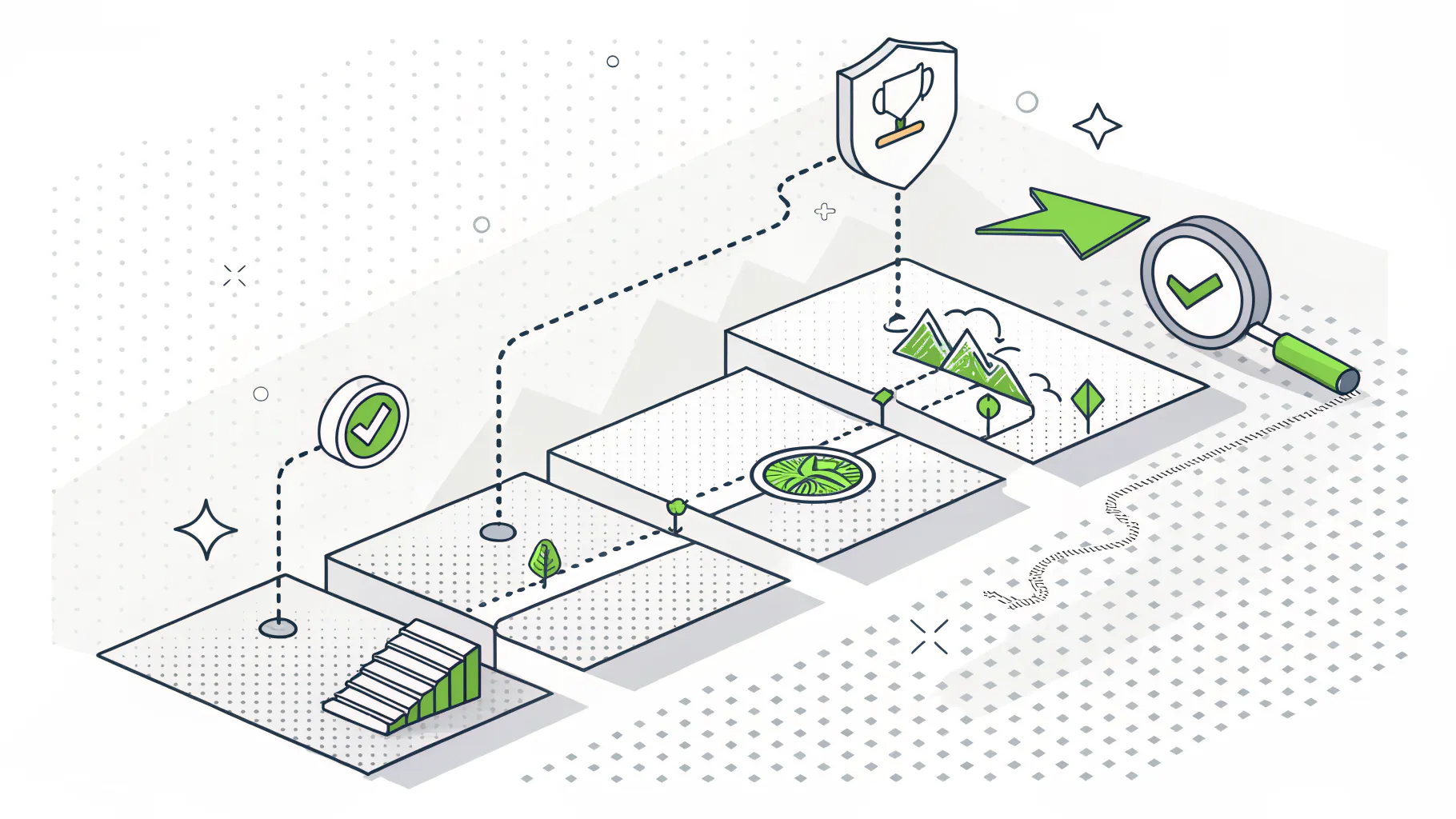
Where do teams get stuck? Almost always step 2. Small business networks grow organically over years, one router, then a switch, then wifi bolted on, then IP phones and printers and cameras and a guest network that nobody ever bothered to write down anywhere. By the time someone tries to map it, half of it is a mystery. That archaeology is the hard part. The firewall rules are easy once you finally know what the traffic is supposed to look like.
What segmentation does for compliance and your cyber-insurance renewal
Segmentation isn't just security hygiene. It's a written requirement in most major frameworks, and it directly shrinks the systems auditors and insurers examine. Less scope means less cost and less risk.
The frameworks stopped treating segmentation as optional. PCI DSS 4.0 expects the cardholder data environment to be isolated, and it now requires you to actually pen-test those segmentation boundaries to prove they hold rather than simply asserting on paper that they exist (Elisity, 2025). CMMC and the underlying NIST 800-171 controls require boundary protection around controlled unclassified information (DoD). PCI, NIST, CMMC, and ISO 27001 all address segmentation directly (Databank).
There's a practical payoff people miss. When you isolate the regulated systems, you shrink the scope of the audit. Fewer systems in scope means fewer controls to prove, less to document, and a smaller, cheaper assessment. Segmentation is one of the rare security moves that lowers your compliance bill instead of raising it. Note the framing, though. Compliance frameworks like PCI and CMMC are a separate discipline from day-to-day managed IT, and getting the segmentation right is exactly where those two worlds meet.
Cyber-insurance underwriters caught on too. Underwriters aren't guessing. Renewal questionnaires now ask, in plain language, whether you segment your network and isolate your backups from the rest of the environment, and they price the policy accordingly based on how honestly you answer. A clean answer can move your premium. A blank one can cost you coverage. I'd tell you this even if we didn't help companies fix it. The math is just that one-sided.
The takeaway
Segmentation isn't the flashy part of security. No dashboard. No logo on the box. But it's the difference between an incident and a catastrophe, because it quietly decides how far an attacker actually gets after the thing you couldn't prevent finally happens on some ordinary weekday afternoon.
Three things worth remembering. A flat network means one foothold reaches everything, and attackers now move in minutes. You've probably already started, since guest wifi counts, so the real work is extending that same logic to IoT, sensitive data, and operations. And segmentation pays you back twice, once in contained breaches and again in a smaller compliance and insurance footprint.
If you're not sure where your network is flat right now, that's the honest place to begin. Speak to a cybersecurity expert and start with a network assessment that maps where a single compromise could spread. You can't segment what you haven't mapped.