How a 120-Employee Company Reduced IT Risk in 90 Days
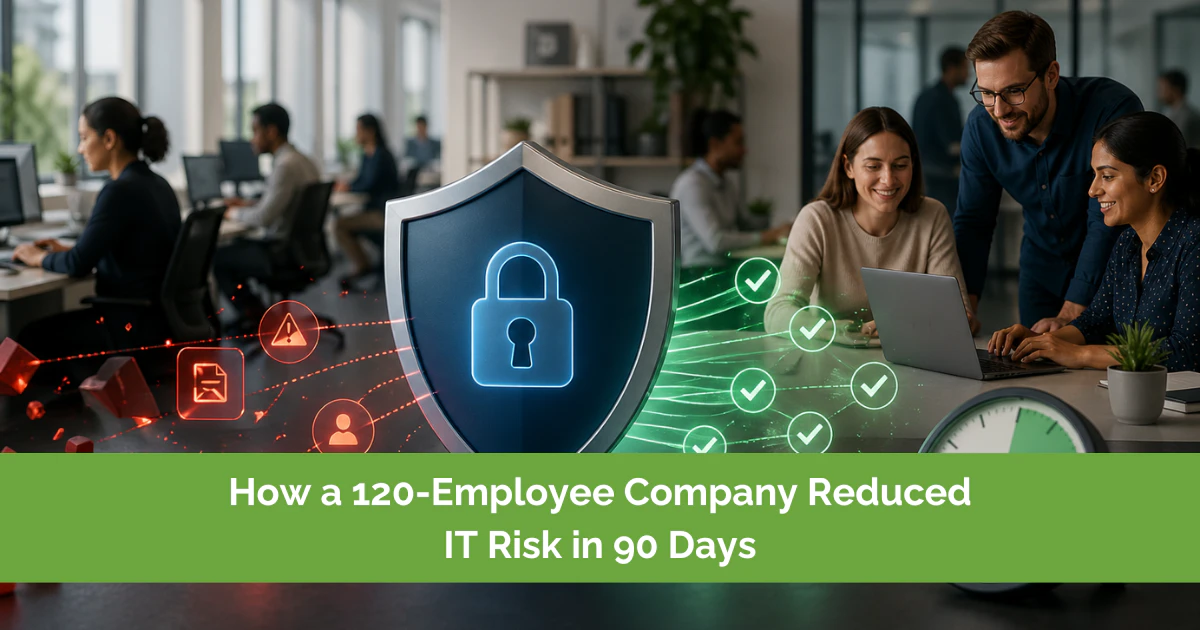
The organization, consisting of 120 staff, reduced IT risk within 90 days through the implementation of execution-oriented activities rather than tools. They started by making sure they could see what was going on with their inventory and by checking for weaknesses. Next, they put in place safety measures like requiring multiple ways to verify who you are watching for bad things, on computers, and backing up data in a safe way. They finished up by keeping an eye on things and being ready to respond if something went wrong. By doing things the way the National Institute of Standards and Technology and others say to, they were able to reduce the chances of being attacked. They did what they were supposed to do.
Table of Contents
90-Day IT Risk Reduction Roadmap
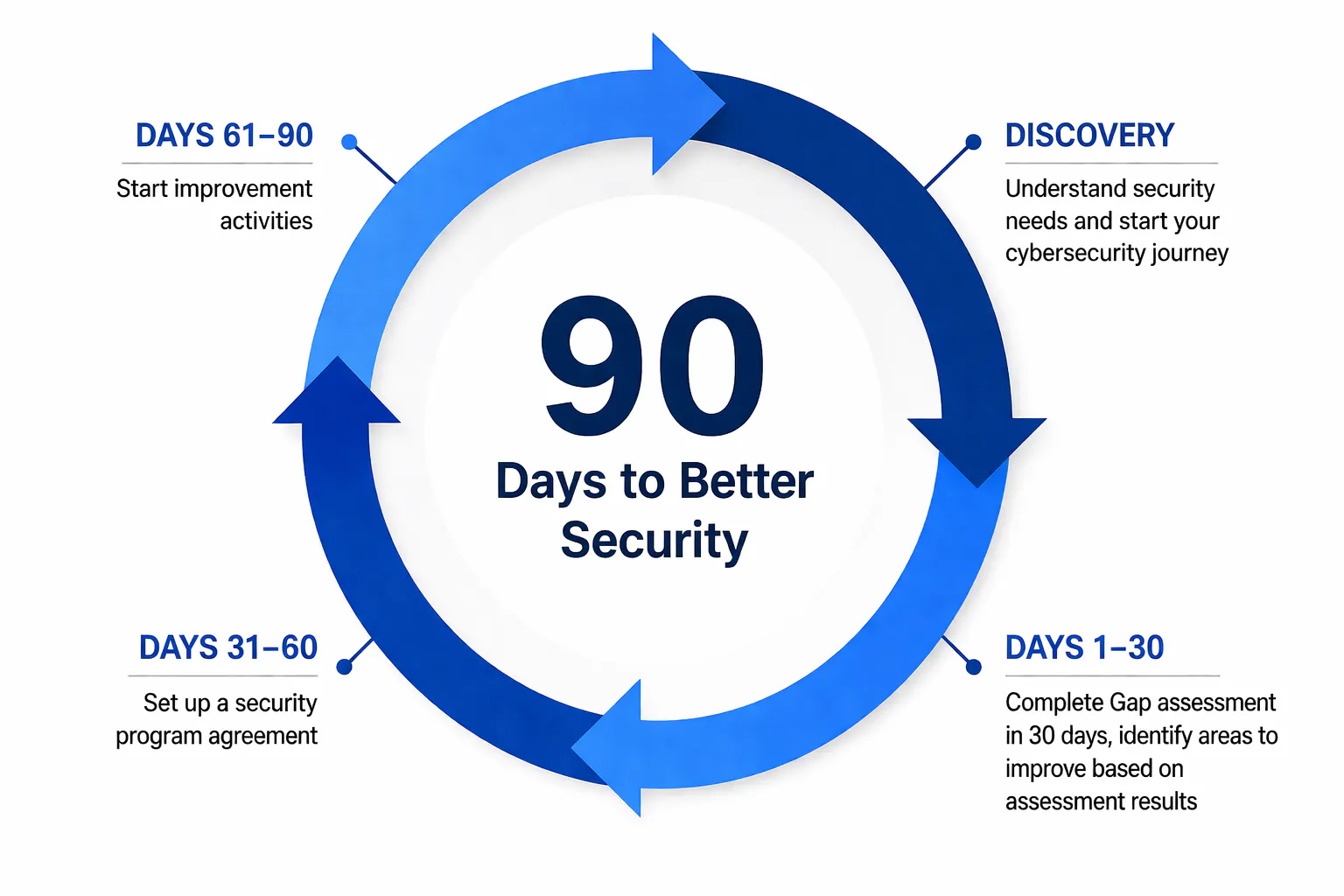
- What it shows: 0–30, 31–60, 61–90 day phases
- Placement: After AI Overview
- Why it builds trust: Makes the plan tangible and executable
What Is an IT Risk Reduction Strategy?
An IT risk reduction strategy is a plan that helps us find and deal with technology problems that could stop our work, let people see our information, or get us in trouble with the rules. This strategy functions like a map that guides us in how to keep our business secure. Security measures such as authentication, monitoring activities, and backup of our data in case of emergencies are some examples of actions that will ensure the safety of our business.. We do all of this in order so we can reduce the bad effects on our business as quickly as possible. The main goal of an IT risk reduction strategy is to help us reduce technology risks.
The Starting Point: Why Mid-Sized Companies Struggle with IT Risk
Mid-sized companies sit in the danger zone:
- Targeted like enterprises
- Resources like small businesses
According to the Office of Financial Research, mid-sized firms face higher cyber risk due to maturity gaps. Meanwhile, research cited by Forbes shows nearly half experience cyber incidents annually.
Common failure points:
- No complete asset visibility
- Weak identity controls (no MFA)
- Inconsistent patching
- No centralized monitoring
- Backup systems not tested
Top IT Risks in 100+ Employee Companies
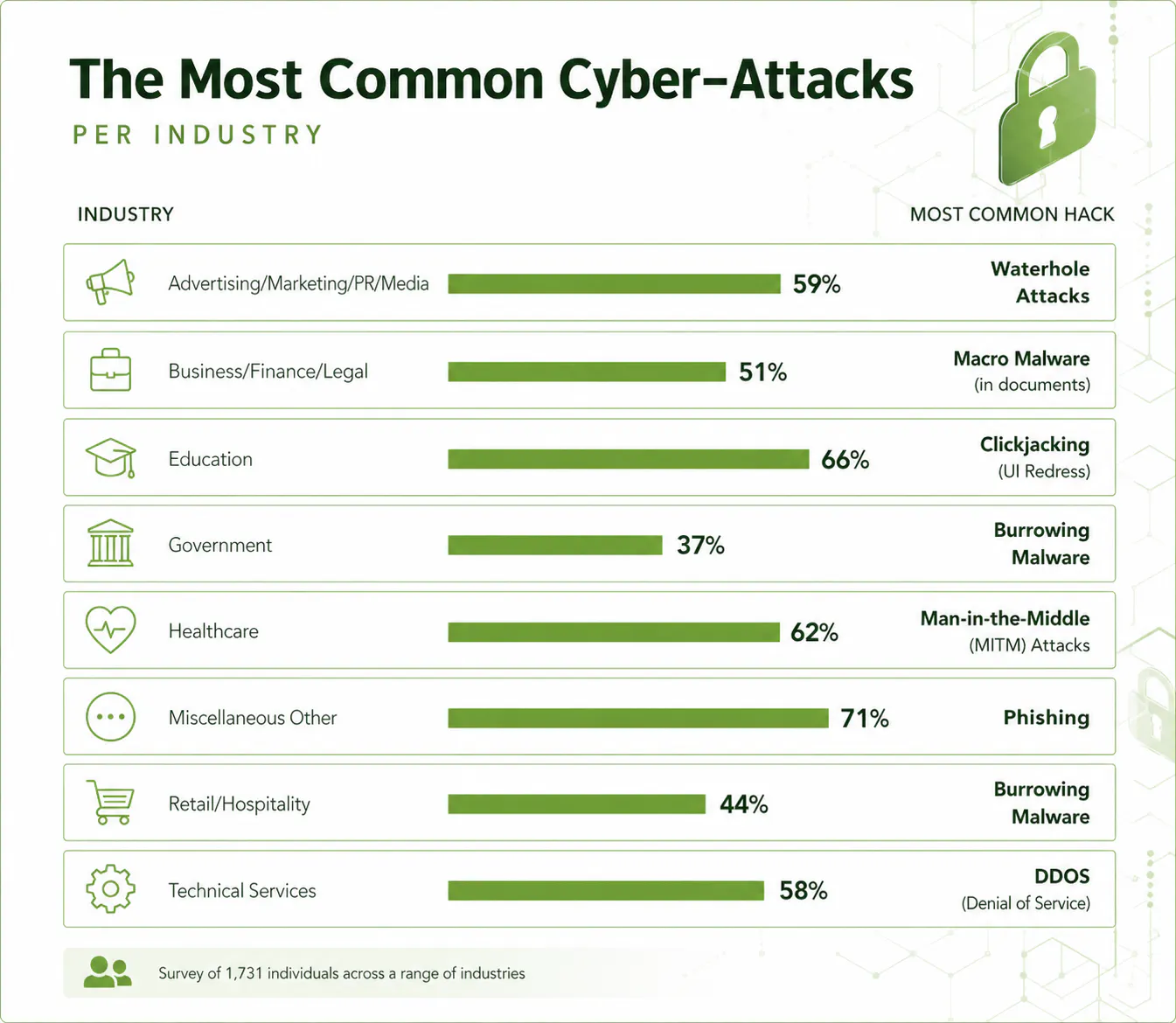
- What it shows: Phishing, ransomware, misconfigurations, unpatched systems
- Placement: Problem section
- Why: Reinforces urgency with recognizable threats
Initial Risk Profile (Before the 90-Day Plan)
This company looked typical:
- 120 employees
- 3-person IT team
- Cloud + on-prem mix
Key risks:
- No multi-factor authentication
- Legacy antivirus (no EDR)
- Flat network (no segmentation)
- Backups vulnerable to ransomware
- No incident response plan
Before vs After Risk Posture
- What it shows: Attack surface, detection speed, visibility
- Placement: After the initial state
- Why: Makes improvement measurable
The 90-Day IT Security Improvement Plan
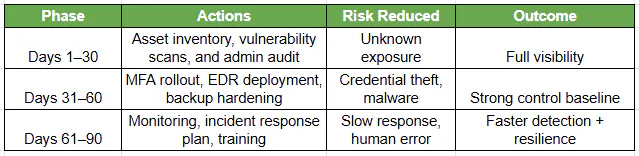
Days 1–30: Visibility and Risk Assessment
Aligned with Cybersecurity and Infrastructure Security Agency priorities:
- Inventory all devices and users
- Run vulnerability assessments
- Identify privileged accounts
- Map critical systems
Outcome: You can’t secure what you can’t see. Visibility eliminates blind spots.
Days 31–60: Control Implementation
Based on the Center for Internet Security controls:
- Deploy MFA across all users
- Replace antivirus with EDR
- Patch critical vulnerabilities
- Secure and isolate backups
Outcome: Attack paths shrink dramatically.
Days 61–90: Monitoring and Response
Guided by SANS Institute practices:
- Centralize logs (SIEM or equivalent)
- Define an incident response plan
- Run phishing simulations
- Establish escalation workflows
Outcome: Threats are detected and contained faster.
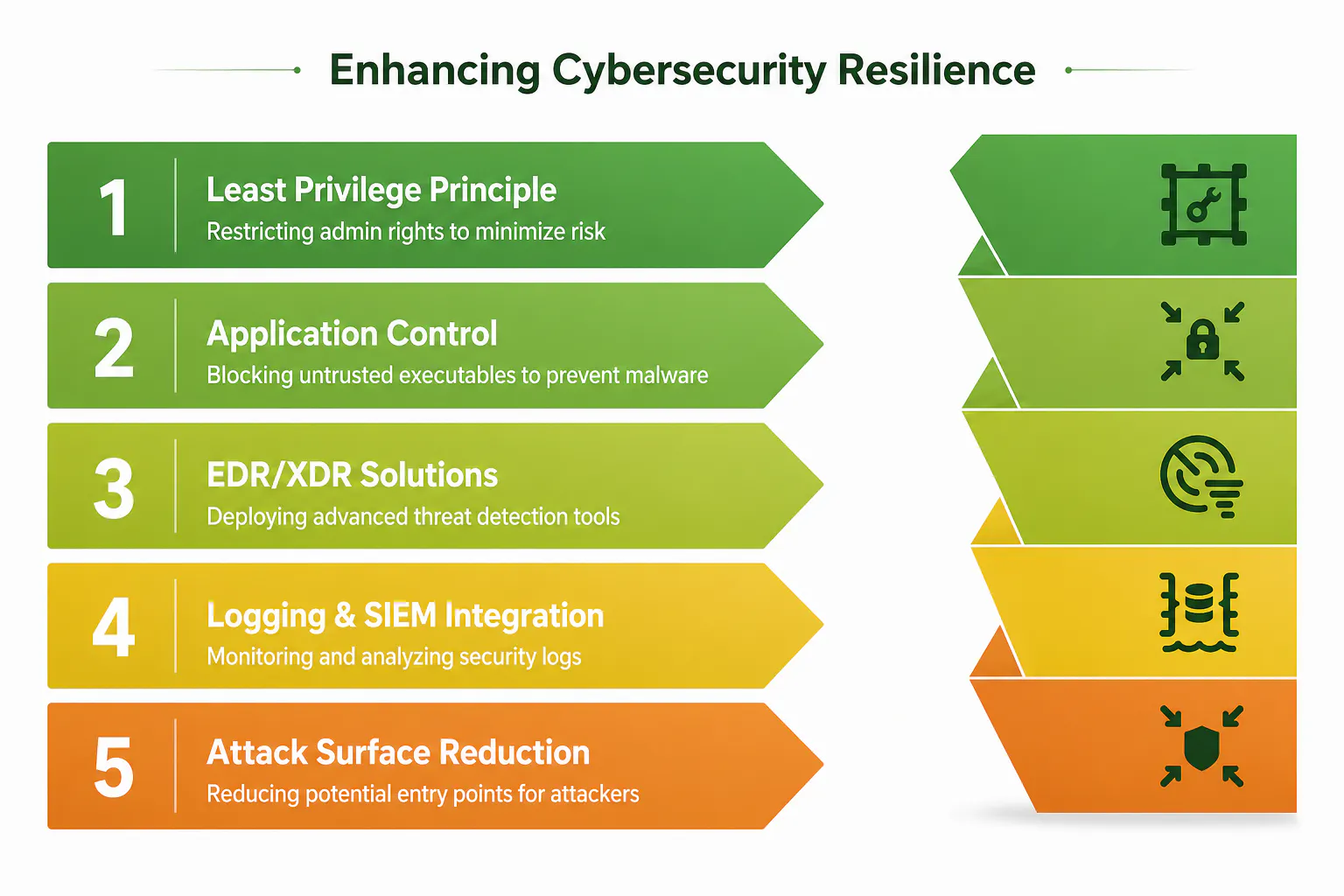
Security Control Stack (Mid-Sized Company)
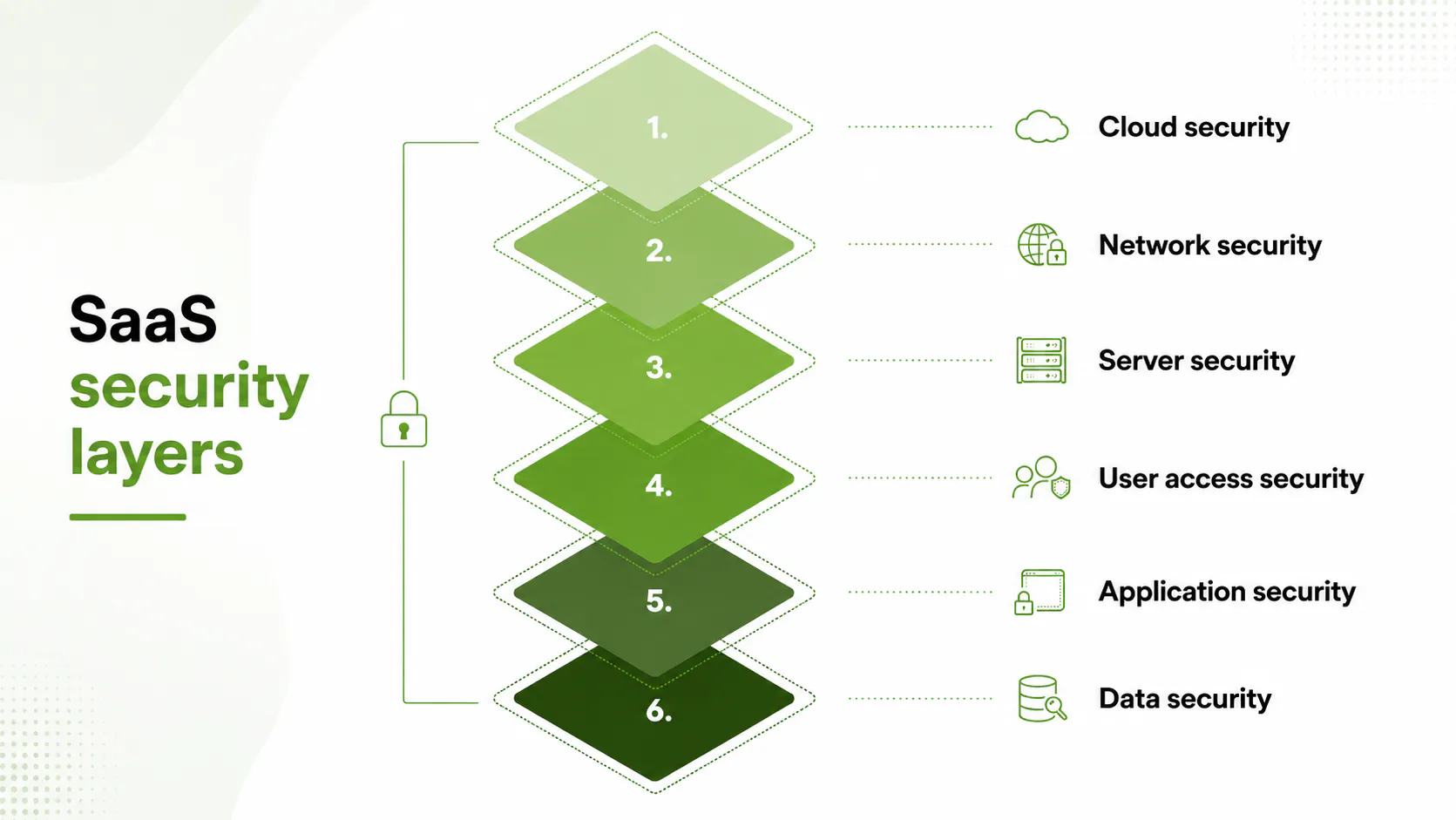
- What it shows: Identity → Endpoint → Network → Backup → Monitoring
- Placement: Implementation section
- Why: Clarifies architecture without technical overload
Key Security Improvements Implemented
How to Reduce IT Risk for Businesses
- Enforce multi-factor authentication (MFA)
- Deploy endpoint detection and response (EDR)
- Implement vulnerability management
- Secure and test backups regularly
- Centralized monitoring and logging
- Train employees on phishing and threats
Results After 90 Days (Business Outcomes)
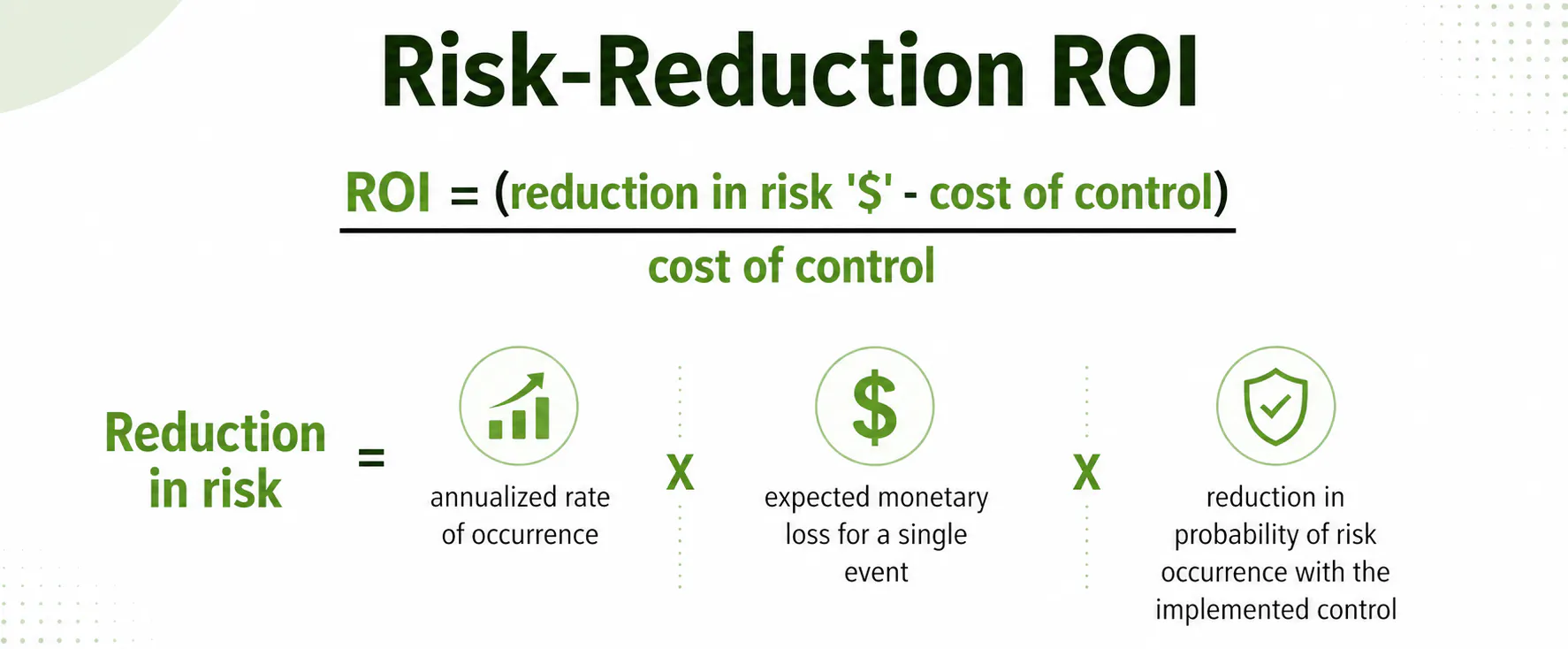
- What it shows: Control → Risk → Business impact
- Placement: Results section
- Why: Connects IT work to executive priorities
Measurable improvements:
- Reduced attack surface by limiting access points
- Faster threat detection (hours → minutes)
- Ransomware resilience via protected backups
- Improved audit readiness (SOC 2 / NIST alignment)
Important:
While compliance methodologies such as the International Organization for Standardization or American Institute of Certified Public Accountants cannot ensure the safety of any business entity, their adoption will definitely make it much quicker.
Lessons Learned (Operator Insight)
What worked:
- Prioritizing identity security first
- Fixing fundamentals before adding tools
- Aligning IT work to business risk
What didn’t:
- Tool-first approach
- Ignoring user behavior
- Delaying incident response planning
How Managed IT Services Accelerate Risk Reduction
Most internal IT teams are overloaded. That’s the bottleneck.
A co-managed model changes the equation:
- Internal IT handles operations
- External partner drives security strategy
With:
This is where managed IT services risk reduction becomes real:
- Faster implementation
- Proven frameworks
- Continuous monitoring