Endpoint Detection and Response for Electronics Manufacturers

Antivirus catches the threats it knows about. EDR catches the ones it doesn't. For electronics manufacturers running hundreds of endpoints across corporate IT and production-adjacent systems, that gap is where attacks happen.

Endpoint detection and response (EDR) for electronics manufacturers provides continuous monitoring, behavioral analysis, and automated response across every endpoint in your environment, including workstations, servers, engineering stations, and production-adjacent systems, to detect threats that traditional antivirus misses. If you're still relying on antivirus alone to protect your electronics manufacturing environment, you're operating on a security model designed for 2010.

Why Antivirus Isn't Enough Anymore

This isn't theoretical. The data is specific.

CrowdStrike's 2025 Global Threat Report found that 79% of detected intrusions in 2024 were malware-free. No malicious payload. No virus to match against a signature database. Attackers used stolen credentials, legitimate system tools, and hands-on-keyboard techniques to move through environments without ever triggering traditional antivirus.

Signature-based antivirus compares files against a known database of malware. If the file matches a known signature, it gets blocked. That works against commodity malware. It does nothing against an attacker who logs in with a stolen password, uses PowerShell to enumerate your network, and moves laterally to your design file server using tools that are already installed on every Windows machine.

For an electronics manufacturer, that attack path looks like this. A phishing email lands in an engineer's inbox. They click a link. The attacker gains access to the workstation. No malware is deployed. The attacker uses the engineer's legitimate credentials to access the design file server. They exfiltrate Gerber files, schematics, and BOM data over an encrypted connection. Antivirus never fires because there was nothing for it to detect.

EDR catches this. It monitors behavior, not just files. An unusual login pattern. A process that shouldn't be running. A large data transfer at 2 AM. Credential access from an unexpected location. These behavioral signals trigger detection and response, whether or not a malware signature exists.
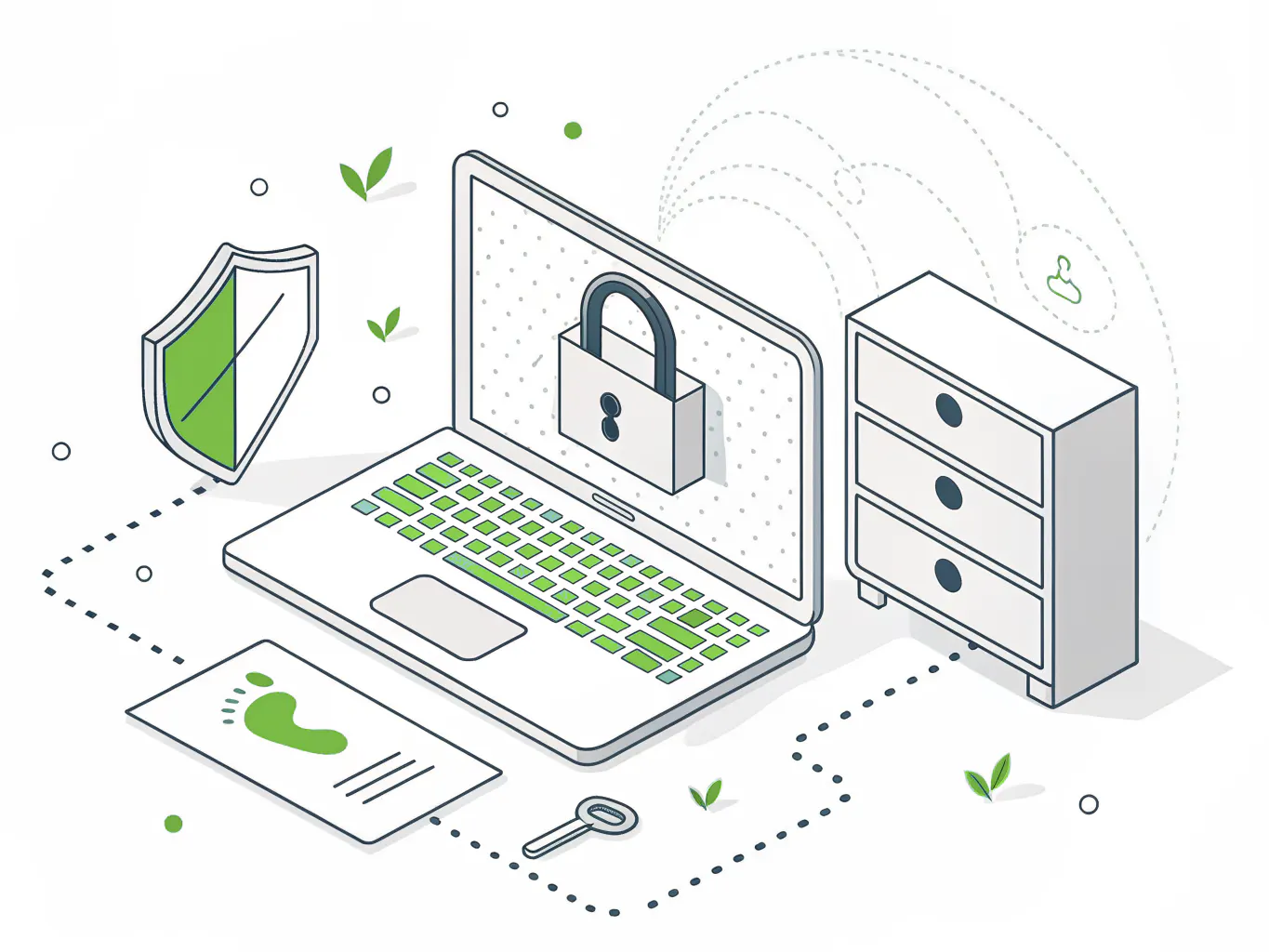
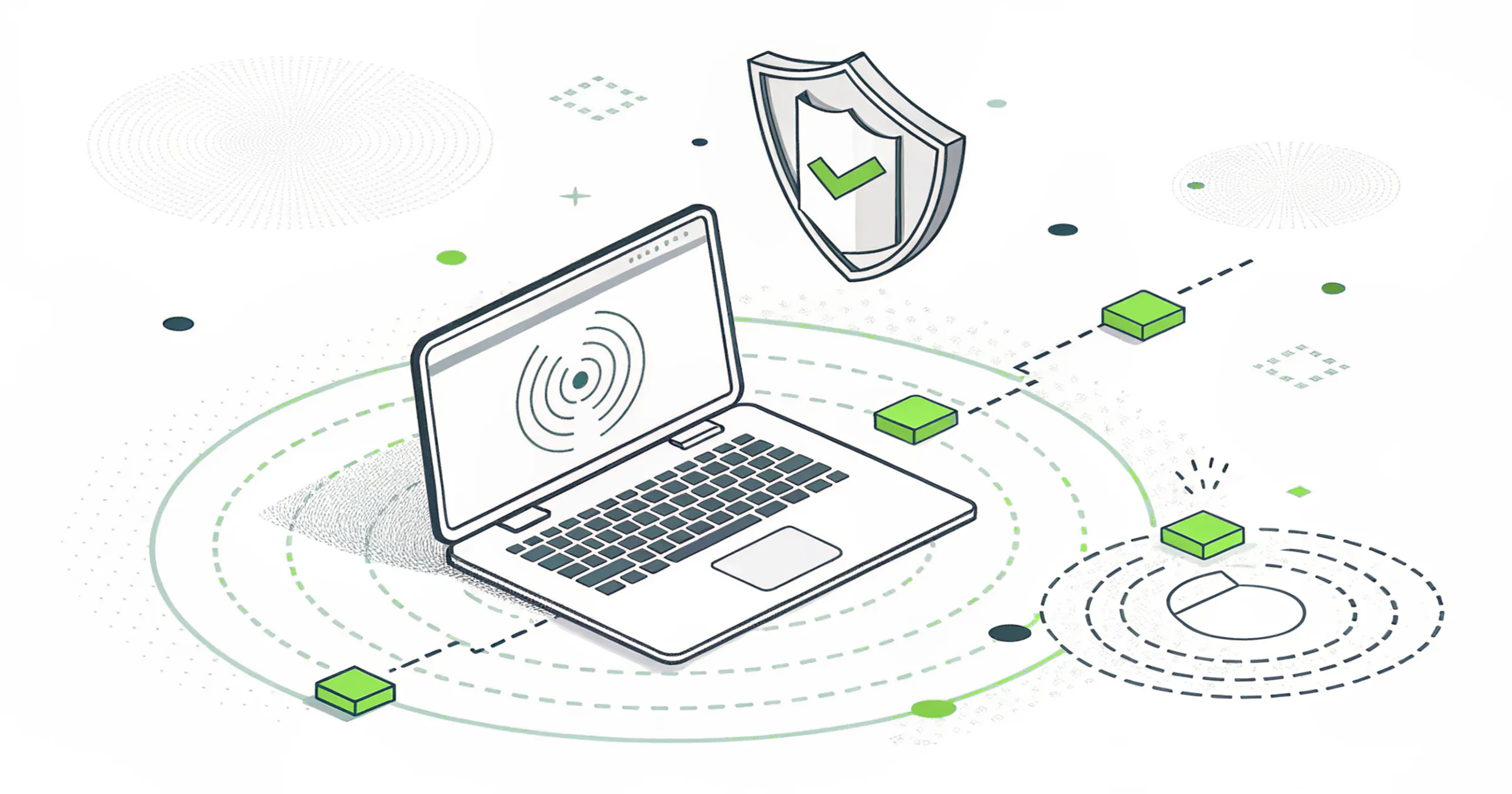
Line illustration of a laptop with an open padlock and a trail of footprints leading to a file cabinet, showing a malware-free intrusion

What EDR Covers in an Electronics Manufacturing Environment

Your endpoint population isn't just office desktops. It's a mix of corporate workstations, engineering stations running CAD and design software, servers hosting ERP and MES data, laptops for remote and traveling staff, and production-adjacent systems that bridge IT and OT.

Each category has different risk profiles.

Engineering workstations

These hold your most valuable IP. Gerber files, IC designs, schematics, firmware source code. They're high-value targets and often run specialized software that creates unique behavioral patterns EDR needs to understand. False positives on engineering workstations are expensive because they disrupt design work.

Corporate desktops and laptops

Standard attack surface. Email-borne threats, web-based exploits, credential theft. The most common entry point for attackers and the endpoint type that traditional antivirus was originally designed to protect. EDR adds the behavioral layer that catches what AV misses.

Servers

ERP servers, file servers, database servers, backup infrastructure. If an attacker reaches a server, they're already past your perimeter. EDR on servers detects lateral movement, privilege escalation, and data exfiltration. This is where ransomware does its worst damage.

Production-adjacent Windows/Linux endpoints

MES terminals, quality inspection stations, test equipment running Windows or Linux. These endpoints sit at the boundary between IT and OT. They're often patched less frequently because updates risk disrupting production. EDR provides compensating detection on systems where patching is constrained.

Remote and mobile devices

Engineers and salespeople working from home, traveling, or connecting from customer sites. These endpoints leave your network perimeter. EDR provides consistent protection regardless of location.

Managed EDR vs. Self-Managed: What's Realistic for a Lean IT Team

You can buy EDR software. Install it. Configure it. And then what?

EDR platforms generate alerts. A lot of alerts. Behavioral analysis means that every unusual process, every unexpected connection, every anomalous login generates a potential detection. Without someone analyzing those alerts, triaging false positives, and responding to real threats, the tool becomes noise.

A 200-person electronics manufacturer with 2 IT people doesn't have the bandwidth to monitor, tune, and respond to EDR alerts on top of everything else they're doing. That's not a criticism. It's arithmetic.

Managed EDR means Consilien deploys the platform, tunes the detection rules for your environment, monitors the alerts, triages false positives, and responds to real threats. Your IT team gets clear, actionable notifications when something needs attention. Not a raw alert feed. Not a 200-line event log. A call that says "we detected credential access from an unusual location targeting your design file server, we've isolated the endpoint, here's what we recommend."

That's the difference between having a tool and having protection.

How EDR Fits Into the Broader Security Stack

EDR isn't a standalone solution. It's a layer in a security architecture.

Layer What it does Where EDR sits
Firewall / network security Controls traffic at the perimeter Doesn't see what happens on the endpoint
Antivirus Blocks known malware signatures Doesn't catch credential abuse, fileless attacks, or lateral movement
EDR Monitors endpoint behavior, detects anomalies, automates response The detection layer between perimeter controls and SOC analysis
SIEM / SOC Correlates events across all sources, provides 24/7 monitoring Consumes EDR telemetry alongside network, server, and application logs
Vulnerability management Identifies and prioritizes unpatched weaknesses EDR provides compensating detection on endpoints that can't be patched immediately

EDR feeds into your managed SIEM/SOC. The SOC analysts correlate EDR alerts with network events, authentication logs, and other data sources to determine whether an alert is a false positive or a real attack. EDR provides the endpoint visibility. The SOC provides the analysis and response coordination.

For electronics manufacturers, this layered approach matters because you have endpoints that can't be fully hardened (legacy production systems, vendor-managed equipment) alongside endpoints that carry high-value data (engineering workstations, design servers). EDR gives you detection coverage across both without requiring every system to be perfectly patched and configured.

EDR and Compliance: What the Frameworks Require

If you're tracking compliance against NIST SP 800-171, CMMC, SEMI E187, or ISO 27001, EDR addresses specific control requirements.

NIST SP 800-171 / CMMC Level 2. Control family 3.14 (System and Information Integrity) requires malicious code protection, system monitoring, and security alert generation. EDR satisfies these requirements with behavioral detection that goes beyond traditional antivirus. Control 3.3 (Audit and Accountability) requires event logging and monitoring, which EDR provides at the endpoint level.

SEMI E187. The endpoint protection domain requires vulnerability scanning, malware protection, access control, and least-privilege enforcement. EDR covers the malware protection and access monitoring components.

ISO 27001:2022. Controls A.8.7 (protection against malware) and A.8.16 (monitoring activities) map directly to EDR capabilities.

For compliance readiness, EDR isn't just a security tool. It's an evidence generator. The detection logs, response records, and endpoint telemetry EDR produces are the compliance documentation that auditors and assessors need to see.

Antivirus Alone Is a 2010 Security Strategy

79% of intrusions in 2024 didn't use malware. Ransomware groups go from initial access to encryption in under 24 hours. Your Gerber files, your schematics, and your customer data sit on endpoints that traditional antivirus can't protect against modern attack techniques.

Consilien's managed EDR is part of our IC24 Managed Cybersecurity platform. Deployed, tuned, monitored, and managed alongside your broader cybersecurity program for electronics manufacturers. 24/7. Every endpoint. Every alert analyzed by real analysts.

Our Clients' Success

What Electronics Manufacturers Ask About EDR

Will EDR slow down our engineering workstations?


Modern EDR platforms are designed to run with minimal performance impact. We tune the configuration specifically for environments running CAD software, simulation tools, and design platforms like SolidWorks, Altium, and AutoCAD. If a specific process generates excessive false positives or performance issues, we create exclusions after verifying security implications.

25+ years managing IT for manufacturers. MSP 501 for 2025 and 2026. Highly rated on Clutch.

Explore the full IT services hub for semiconductor and electronics manufacturers or read about managed SIEM/SOC and compliance readiness for this vertical.