Companies move to the cloud for speed. Almost nobody moves there thinking about who owns security once they've arrived.
Cloud Security Services That Close the Gap Your Cloud Provider Leaves Open
Know exactly what's exposed in your Microsoft 365, Azure, or AWS environment before someone else finds it first.
Here's the pattern across manufacturing shops, distributors, and professional services firms we work with, in Southern California and beyond. A company signs up for Microsoft 365 or spins up an AWS account. The provider secures the physical data centers, the network hardware, the hypervisor. Everything above that layer, the permissions, the configurations, who can access what, stays with the customer. Nobody tells them that clearly at the time. Not maliciously. It just never comes up.
That's the gap. It shows up later, usually after an audit, a near miss, or a question from a customer's security team that nobody on staff can answer with confidence. That's when "we're on the cloud, we should be fine" stops holding up.
Where the Exposure Usually Hides
Nobody calls us because they want an assessment for its own sake. They call because a compliance deadline is coming, a client's security team is asking pointed questions, or something already went wrong somewhere else and it made them nervous about their own setup.
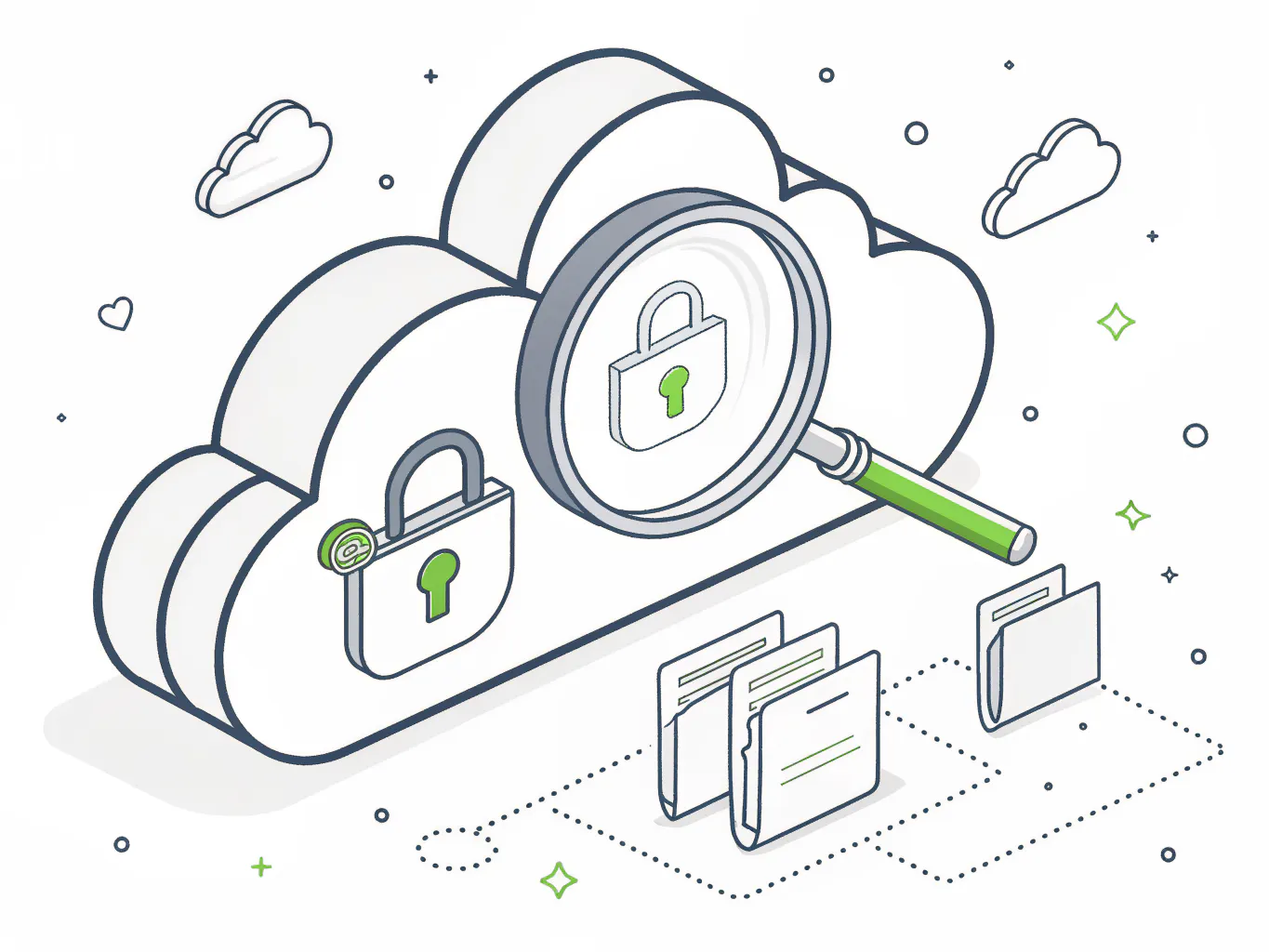
A few signs this gap already exists, before anyone's gone looking for it:
- MFA turned on for some accounts, quietly skipped for others
- Nobody can say with confidence who has admin rights across every cloud tool in active use
- Logging exists, technically, but nobody's actually reviewed it in months
- A compliance audit asked a cloud security question and the honest answer was "we're not sure"
Identity Is Where Most of the Real Risk Lives
Here's where it actually gets more interesting.
Cloud breaches rarely start with some sophisticated exploit against Microsoft's or Amazon's own infrastructure. They start with an identity problem. An account with more access than it needs. A credential that got phished. A service account nobody's rotated in two years. Same story, different environment, almost every time.
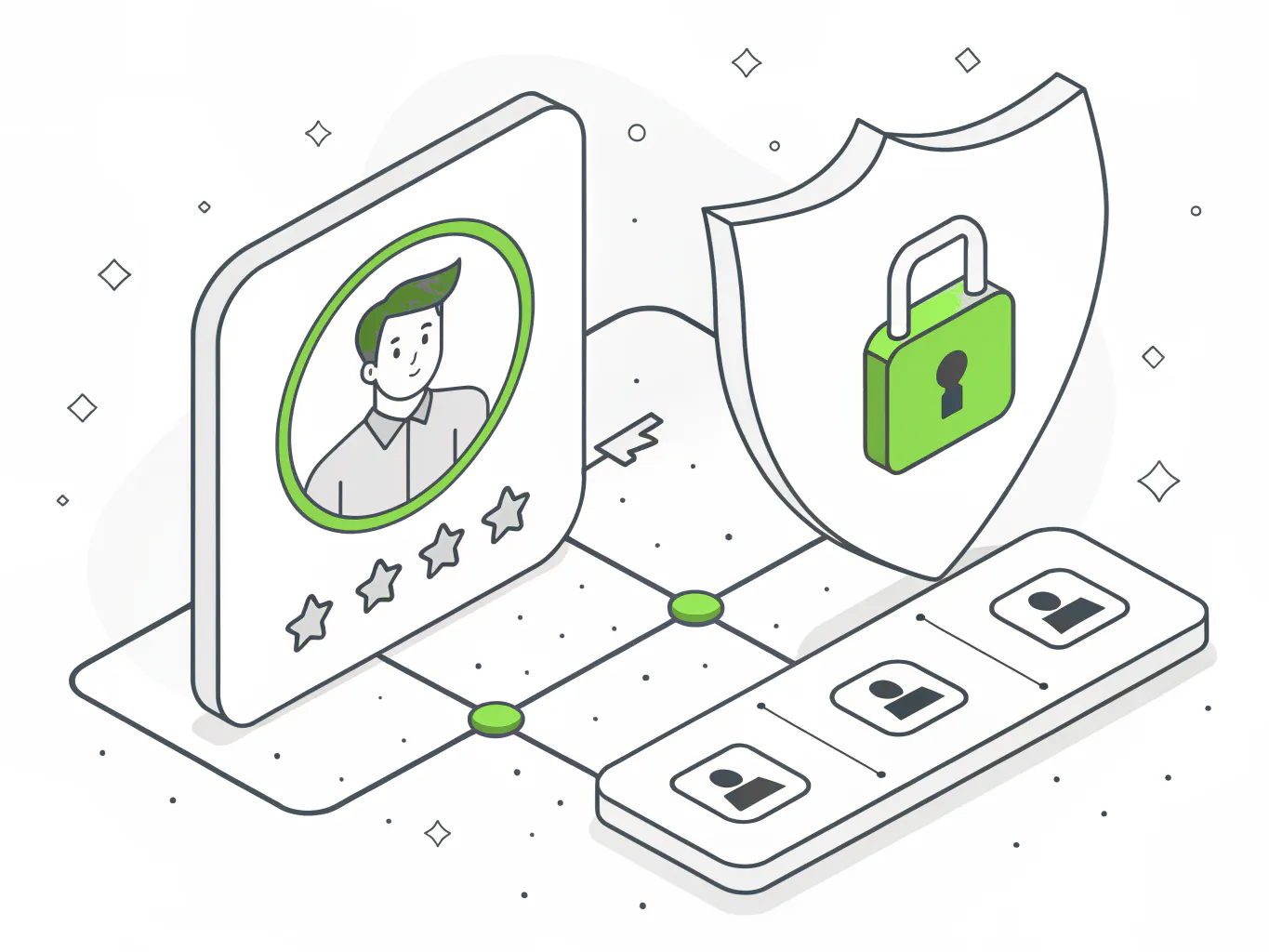
We rebuild access around least privilege, meaning people and systems get exactly the access they need and nothing extra. Not a popular project internally. Nobody enjoys losing access to a shared drive they haven't opened in three years. But it's one of the highest-impact fixes in most cloud environments we touch, and it's a required control under frameworks like CMMC and SOC 2 anyway.
Assessments Expire. Drift Doesn't Wait for the Next One
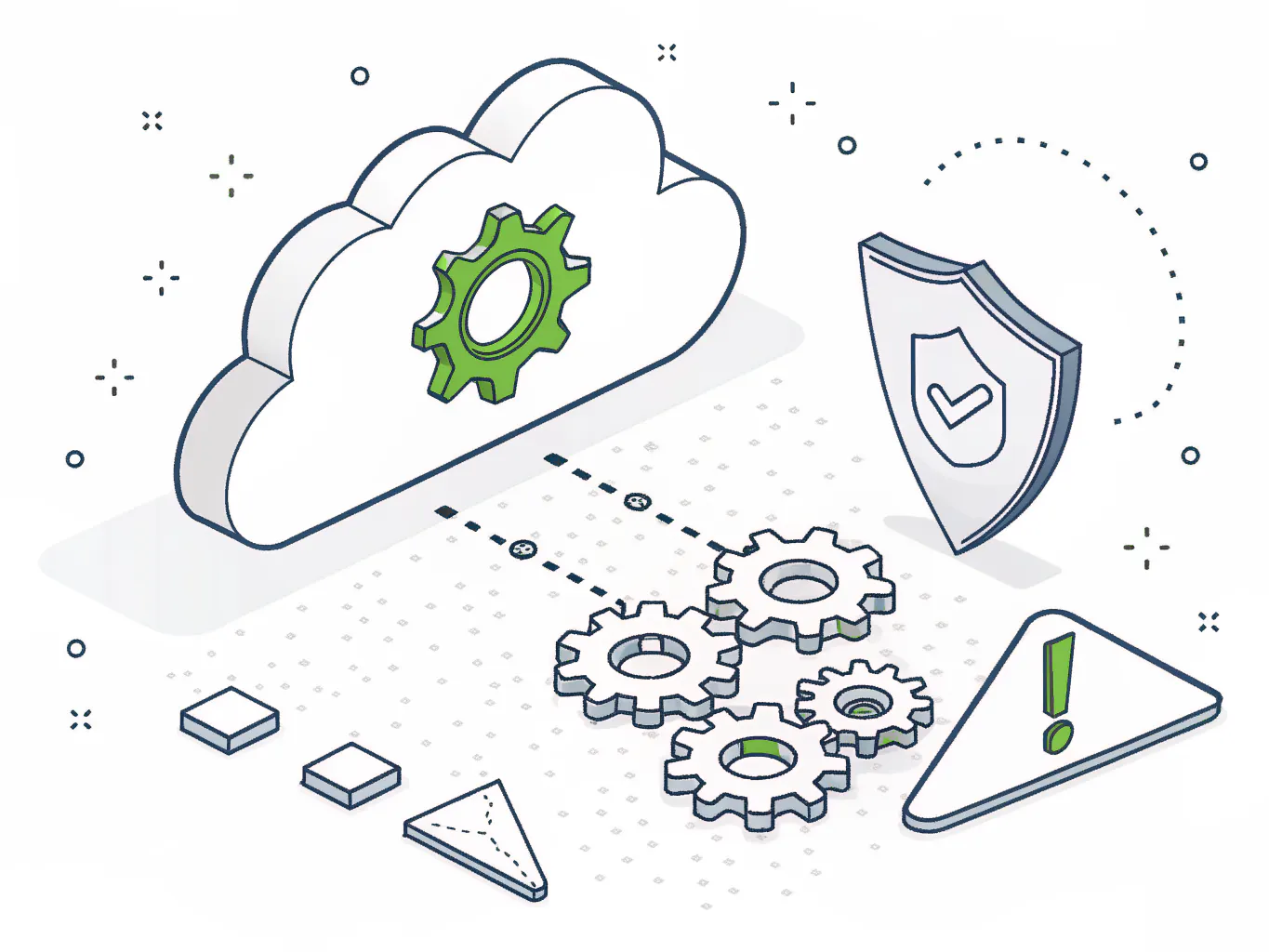
A cloud security assessment is a snapshot. Configurations drift within weeks of a clean review. Someone adds a new integration. A contractor gets temporary access that quietly becomes permanent. A new SaaS tool connects to your Microsoft 365 tenant without anyone from IT signing off.
Founded in 2001, Consilien has run structured IT and security programs for 25 years now, recognized on the MSP 501 list in both 2025 and 2026. That's not really the reason to trust a cloud security program. It's the reason we know what drift actually looks like before it turns into a finding.
We have an obvious bias here. We sell this work. What we won't do is tell a client they need a full engagement when a lighter, targeted assessment covers what they actually need.
What the Data Says About Cloud Risk Right Now
That's the whole picture in four numbers, really.
How a Cloud Security Engagement Actually Works
A cloud security program nobody tests isn't really a program. It's a slide in a deck somewhere.
A Few Questions That Come Up Almost Every Time
Isn't this already covered under our IT support contract? Usually not, at least not specifically. General IT support keeps the lights on. Cloud security is a distinct discipline, closer to compliance work than help desk work, and it needs someone actively looking for exposure, not just responding to tickets.
Aren't we too small for this to matter? SMBs get targeted specifically because attackers assume the defenses are weaker, and a misconfigured cloud setting doesn't check how many employees a company has before it becomes exploitable. A public storage bucket is a public storage bucket whether it belongs to a 40-person distributor or a Fortune 500 company.
What does this actually cost? It depends on environment size, compliance requirements, and how much remediation work the assessment turns up, so we're not going to pretend there's a flat number to quote here. What we can say is that fixing exposure proactively runs a fraction of what an incident costs once forensics, legal fees, and breach notifications get involved.
Is this going to slow my team down? The assessment phase takes some focused time up front from whoever manages your cloud accounts today. After that, most of the work happens on our side, inside CIMS, without your team having to babysit a new tool or dashboard.
What's Included
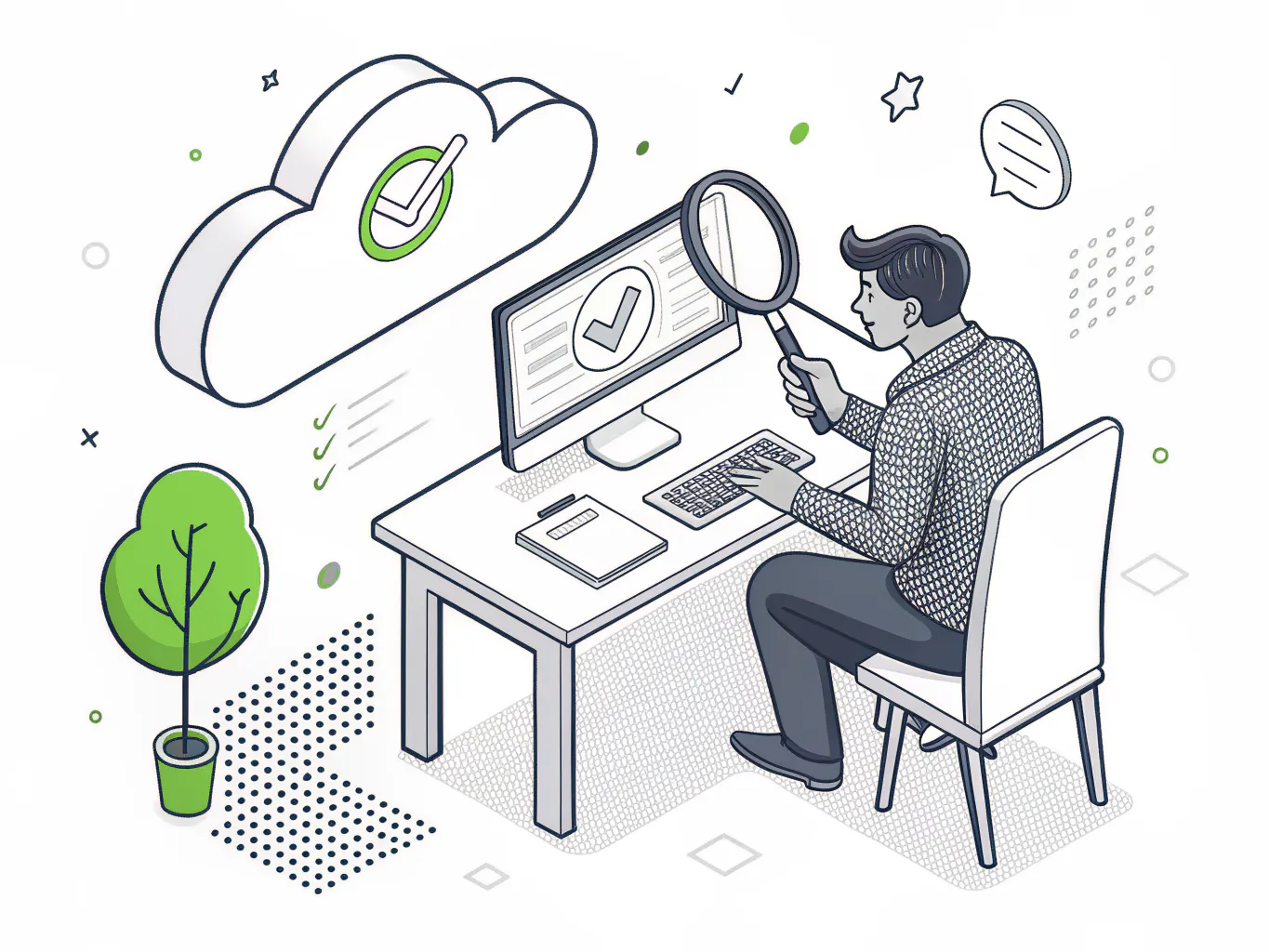
What Your Cloud Provider Secures, and What's On You
The shared responsibility model is the industry term for where cloud provider security ends and customer responsibility begins. Microsoft, Amazon, and Google secure the physical infrastructure, the network hardware, and the underlying platform. Everything built on top of that, permissions, configurations, data classification, and who has access to what, stays the customer's job to secure.
Best for companies already running production workloads or sensitive data in Microsoft 365, Azure, AWS, or Google Cloud, especially manufacturers, distributors, and professional services firms with a compliance framework like CMMC, SOC 2, or PCI on the horizon.
Common Questions
What counts as a cloud security service, exactly?
Cloud security services cover the assessment, hardening, and ongoing monitoring of everything you're responsible for once data or workloads move into Microsoft 365, Azure, AWS, or Google Cloud. That's different from cloud services generally, which cover setup, migration, and day-to-day management. This is the part that keeps what you've built from being the reason something goes wrong.
Cloud Security Gaps Don't Announce Themselves
A misconfigured permission doesn't send an alert when it's created. It just sits there, exposed, until someone finds it. Better if that someone works for you.
Every month a gap like that goes unfound is another month it's exploitable. If you want to know exactly what's exposed in your cloud environment, and what to do about it, talk to a Consilien cloud security expert.