MD & M West 2026 Recap
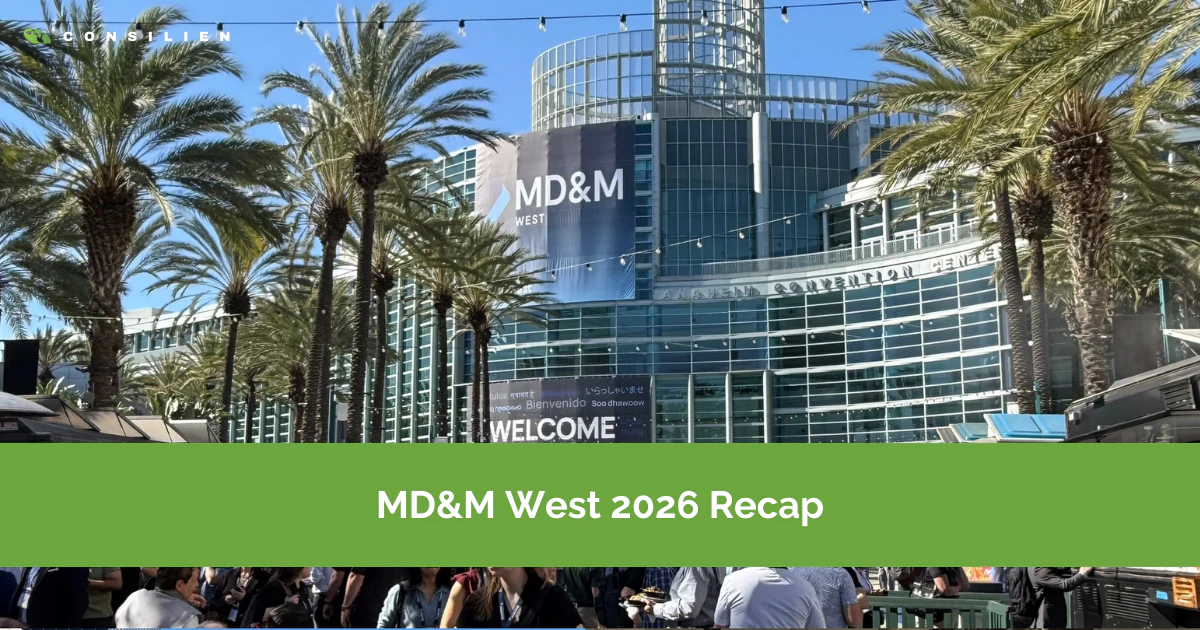
MD&M West 2026 confirmed a shift in manufacturing: leaders are no longer debating whether innovation matters. The conversation has moved to executing it safely at scale, with cybersecurity, OT/IT integration, and compliance built into operations from day one.
Table of Contents
This recap covers the key signals from MD&M West 2026 across MedTech, automation, plastics, packaging, and advanced manufacturing. The keynote sessions converged on the same point: operational discipline, OT/IT alignment, and proactive risk management are now table stakes for manufacturers competing in 2026.
What Manufacturers Should Pay Attention to Now
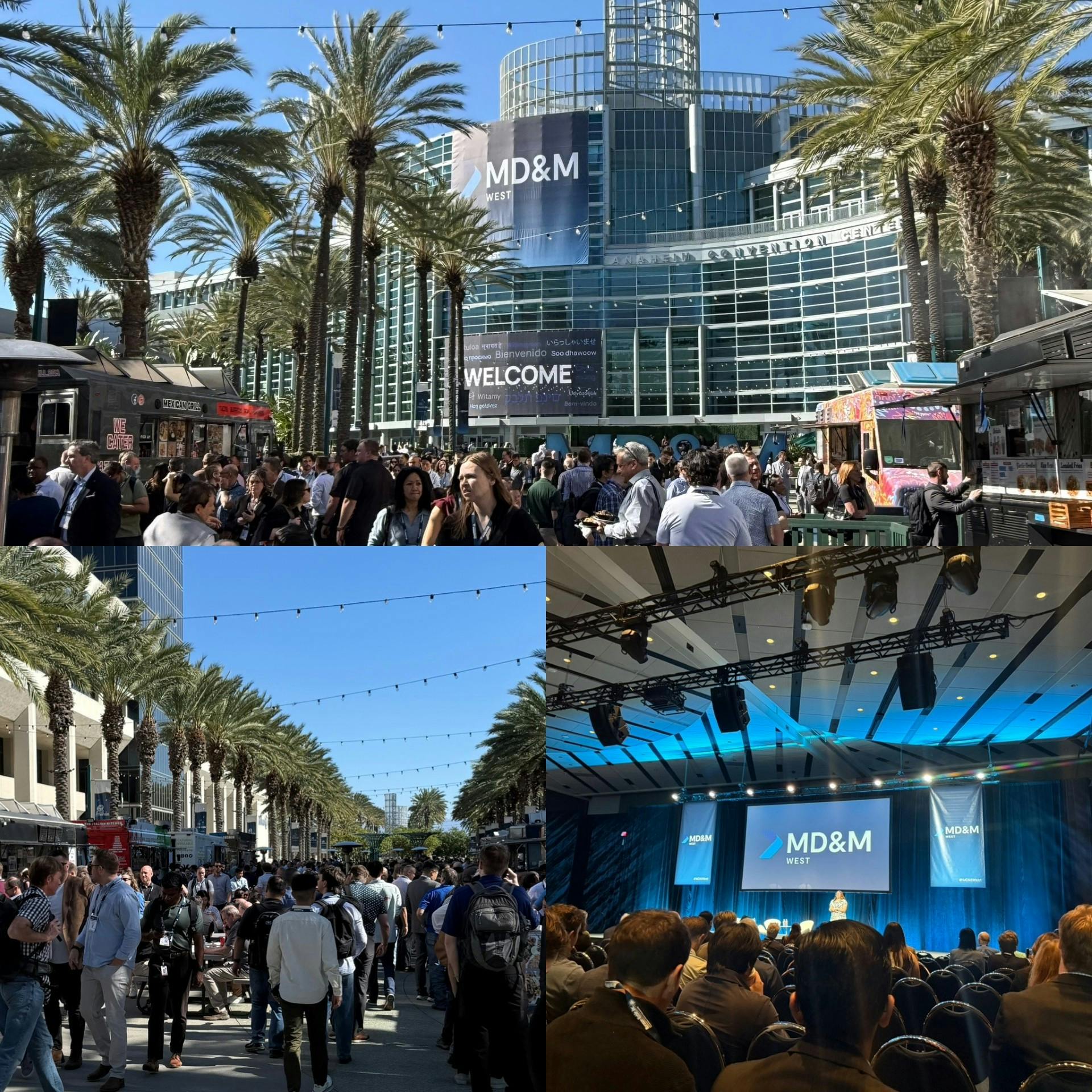
MD&M West has always brought together leaders across MedTech, automation, plastics, packaging, and advanced manufacturing.
But 2026 felt different.
The conversations weren't about experimenting with new ideas.
They were about executing the right ones. At scale. With discipline.
Manufacturers aren't debating whether innovation matters anymore.
They're asking harder questions.
How do we fund it correctly?
How do we scale it without breaking operations?
And how do we run it securely in regulated, always-on environments?
Two keynote sessions captured that shift clearly.
One focused on innovation, capital, and long-term value.
The other focused on AI, real-time data, and measurable operational performance.
Together, they landed on a simple truth.
Innovation is everywhere.
Durable value only comes from disciplined execution at scale.
The Themes That Defined the Event
AI, Real-Time Data, and FactoryOps Execution
The first keynote on Tuesday, February 3 moved immediately from theory to the factory floor.
And the message was blunt.
Everyone is talking about AI.
Very few manufacturers are producing more units because of it.
The conversation wasn't about smarter dashboards or more data for data's sake.
It was about outcomes.
Units produced.
Defects reduced.
Downtime avoided.
This keynote focused on how leading manufacturers are actually using real-time data and AI inside FactoryOps to drive measurable results:
- Reduced unplanned downtime
- Higher first-pass yield
- Improved workforce productivity
- More resilient, responsive supply chains
- Better alignment with regulatory and sustainability requirements
AI only creates value when it's embedded directly into daily workflows, tied to continuous improvement, and measured against real operational metrics.
If it doesn't improve production economics, it doesn't matter.
That framing set the tone for the rest of the event.
Execution first. Technology second. Results always.
Innovating vs Iterating
Moderated by Omar Khateeb, with perspectives from Tom West and Raymond Cohen, the second keynote asked an uncomfortable but necessary question.
Are we truly innovating, or just refining what already exists?
Tom made the point plainly. Strategic buyers aren't paying for efficiency alone.
Margin improvement and operational optimization may stabilize performance short term. But without real innovation, long-term relevance fades.
What buyers want is credible future growth.
And growth requires more than iteration.
Capital Is the Gatekeeper of Progress
Ray grounded the discussion in reality.
Innovation doesn't scale itself.
Engineering, regulatory approval, commercialization, and talent all require capital.
Without sufficient funding, even strong ideas stall before they ever reach manufacturable scale.
Across early-stage manufacturers, two issues kept surfacing:
- Raising too little capital
- Thinking too small about the opportunity
Tom pointed out that under-capitalization turns time into a liability.
Without runway, companies can't absorb delays, refine manufacturability, or navigate long development cycles.
Adequate capitalization early creates resilience.
It buys time. And time preserves strategic momentum.
Ray echoed Omar's concern that capital isn't flowing fast enough into true innovation, even as consolidation among strategic buyers accelerates.
Discipline, Governance, and Credibility
Capital alone doesn't create value.
Tom emphasized that management discipline determines whether funding turns into growth or waste. Leaders have to know how to raise capital responsibly, deploy it intentionally, and convert investment into measurable outcomes.
Boards matter here.
Strong governance brings:
- Strategic relationships
- Market insight
- Long-term accountability
Ray reinforced that many of the most critical decisions around scale, capital formation, and risk ultimately converge at the board level.
Market Size and Manufacturability Define Belief
Omar pushed the panel toward investor expectations.
To attract meaningful capital, manufacturers must clearly articulate:
- Total addressable market
- Realistic serviceable market
- A believable path to profitability
- Design for manufacturability
Tom stressed that manufacturability and economics have to start at design, not after technical validation. If those elements aren't there early, commercialization conversations are premature.
Ray added a practical lens.
If an existing solution can be meaningfully improved, capital will follow.
The money exists. The ideas exist. The talent exists.
But credibility starts with the strength of the idea and the clarity of execution.
And first impressions matter.
The Risk of Incremental Thinking
Ray summarized the danger succinctly.
Why be the fourth entrant in a three-company race?
Incremental improvement in a crowded space rarely creates real value.
True disruption requires:
- A large, meaningful problem
- Measurable performance improvement
- Clear acquisition or scale potential
Omar extended the point by asking whether innovators should pursue larger adjacent problems to unlock more capital and longer-term relevance.
Small thinking limits opportunity. And it limits funding.
A Unified Message from Both Keynotes
Taken together, the sessions told one story.
Innovation requires:
- Capital to begin
- Discipline to scale
- Manufacturability to commercialize
Operational excellence requires:
- Real-time data
- AI embedded into workflows
- Measured performance improvement
Ideas alone aren't enough.
Technology alone isn't enough.
Funding alone isn't enough.
Disciplined execution at scale is what creates value.
What We Saw on the Show Floor
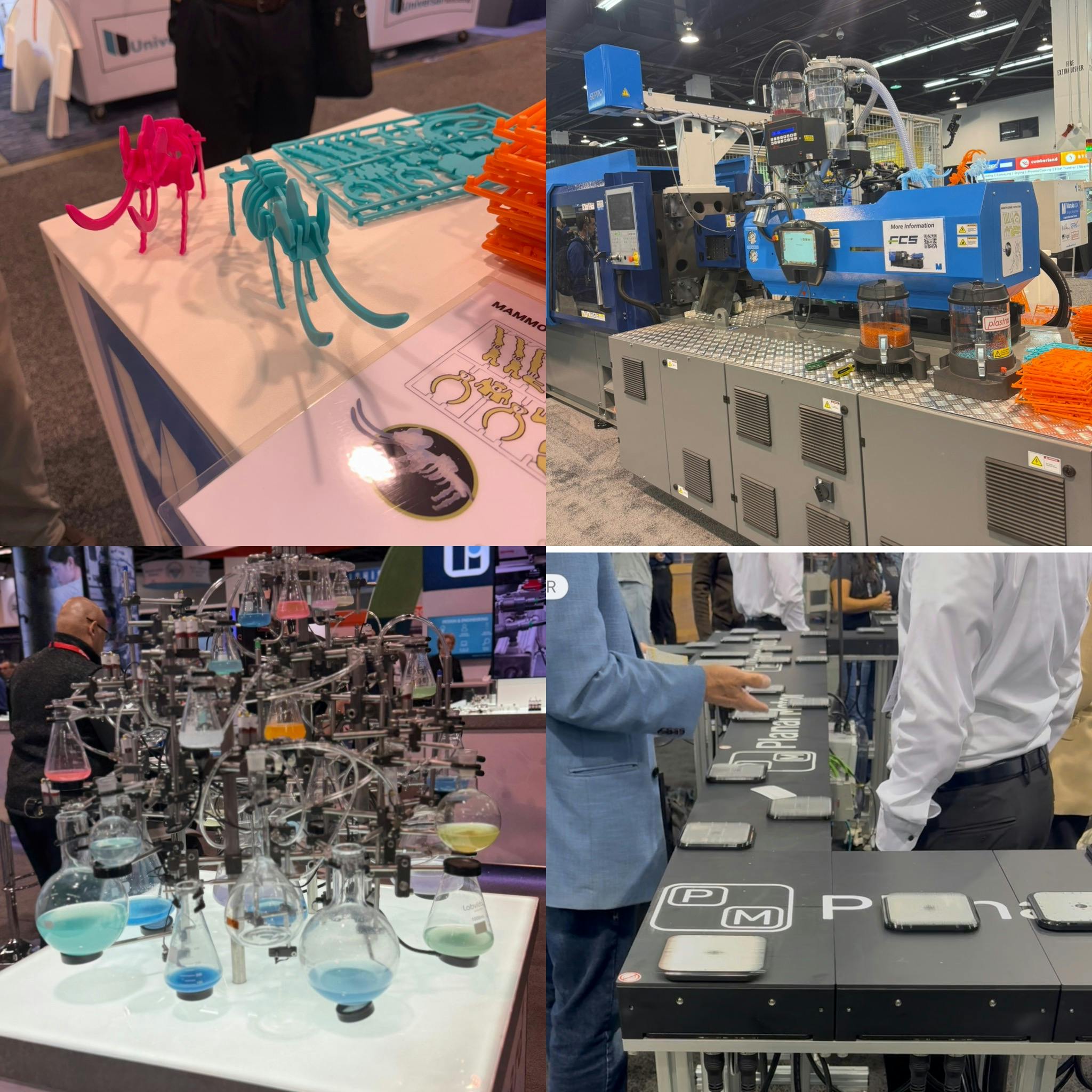
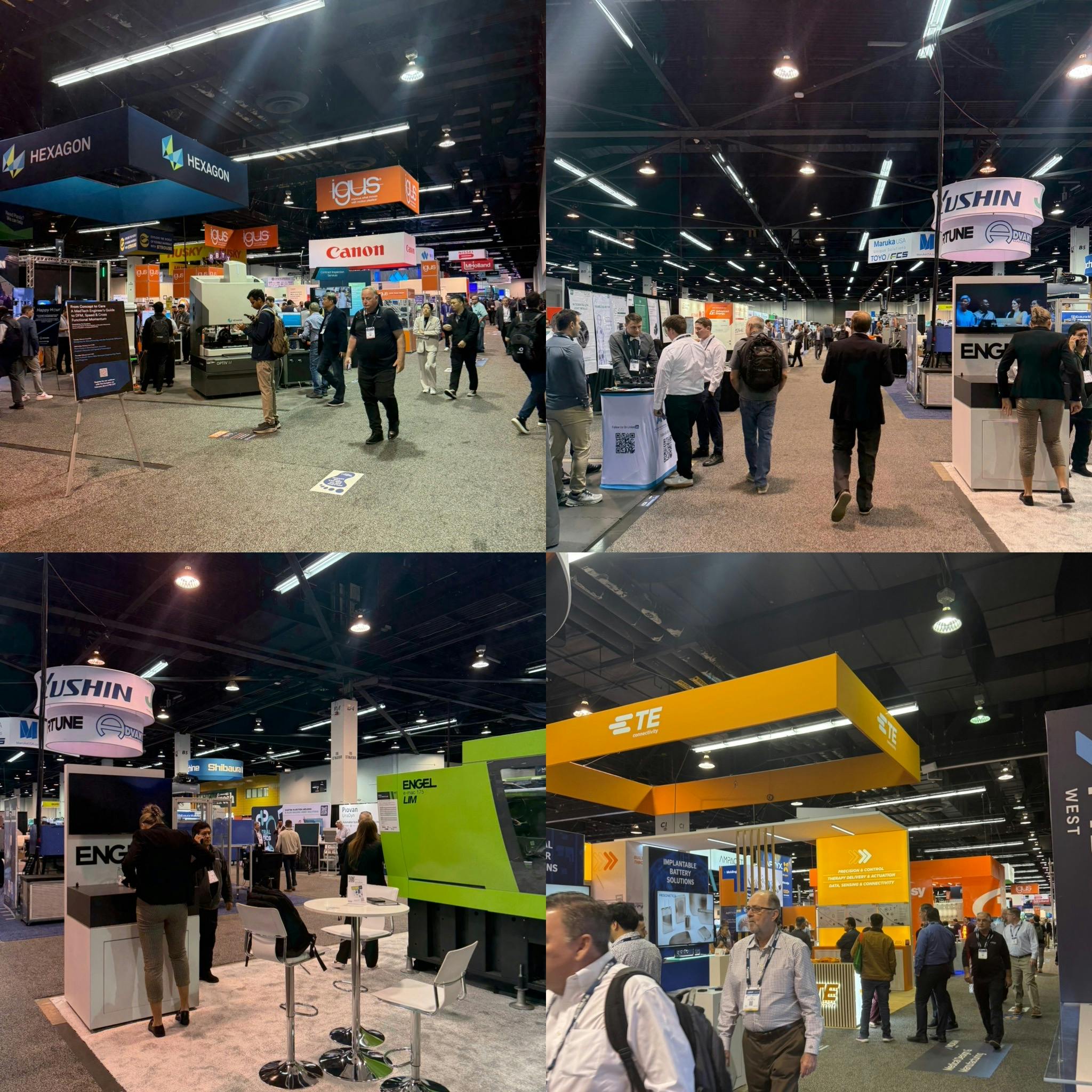
The expo floor reinforced the same themes.
What stood out wasn't novelty.
It was maturity.
Automation wasn't experimental. It was operational.
Connectivity, sensing, and real-time visibility showed up across booths.
Design for manufacturability appeared earlier in product lifecycles.
Investment in plastics, molding, and MedTech components remained strong.
Manufacturers are clearly moving from pilots to scaled deployment.
Where Cybersecurity and Infrastructure Matter Most Now
As automation, connectivity, and AI expand, operational risk expands with them.
More connectivity means a larger attack surface.
Greater reliance on data increases the impact of downtime.
Operational disruption now affects safety, compliance, revenue, and supply chains.
Downtime isn't an IT inconvenience anymore.
It's a manufacturing event.
For regulated manufacturers, the stakes are even higher.
Secure, reliable infrastructure is no longer back-office support.
It's becoming a core manufacturing capability.
Modern manufacturers must align IT, OT, cybersecurity, compliance, and uptime as one operational system.
What This Means for Manufacturers in 2026 and Beyond
The competitive gap ahead won't be defined by ideas.
It will be defined by execution.
Winning manufacturers will:
- Fund innovation appropriately
- Design for manufacturability early
- Secure connected environments from day one
- Use AI to drive measurable operational gains
- Maintain governance and discipline as they scale
The tools already exist.
The capital exists.
The technology is ready.
Leadership will belong to manufacturers who execute securely, reliably, and at scale.
Building the Secure Foundation Behind Innovation
As manufacturing becomes more connected and data-driven, the foundation supporting innovation matters more than ever.
Protecting uptime, meeting compliance requirements, securing integrated environments, and modernizing infrastructure without disruption are no longer optional. They're strategic enablers of growth.
That's where secure infrastructure, compliance alignment, and operational reliability stop being overhead and start becoming advantages.
Execution Is the Real Differentiator
MD&M West 2026 made one thing clear.
Innovation is available.
Capital is available.
AI is advancing quickly.
But durable success belongs to manufacturers who combine meaningful innovation, disciplined investment, secure infrastructure, and operational execution.
Innovation will keep accelerating.
The manufacturers who lead will be the ones who scale it securely, reliably, and with discipline.
That's the work Consilien focuses on every day.
And we welcome conversations with teams preparing their infrastructure, security, and compliance posture for what comes next.